

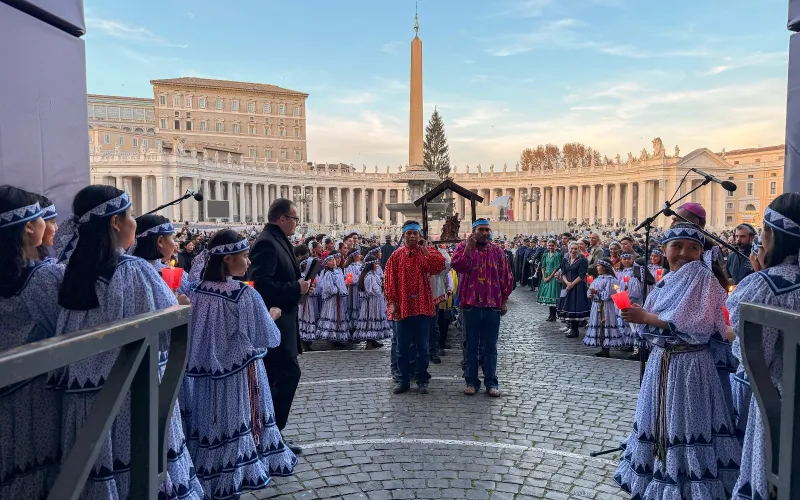
Under the festive glow of St. Peter’s Square and amid the steady flow of visitors pausing to admire Nativity scenes from around the world, Mexico experienced a historic moment by participating for the first time in the international exhibition “100 Presepi in Vaticano”. The country was represented by a Rarámuri Nativity scene crafted by artisans from Chihuahua— a piece that brought to Rome the deep essence of the Sierra Tarahumara mountains.
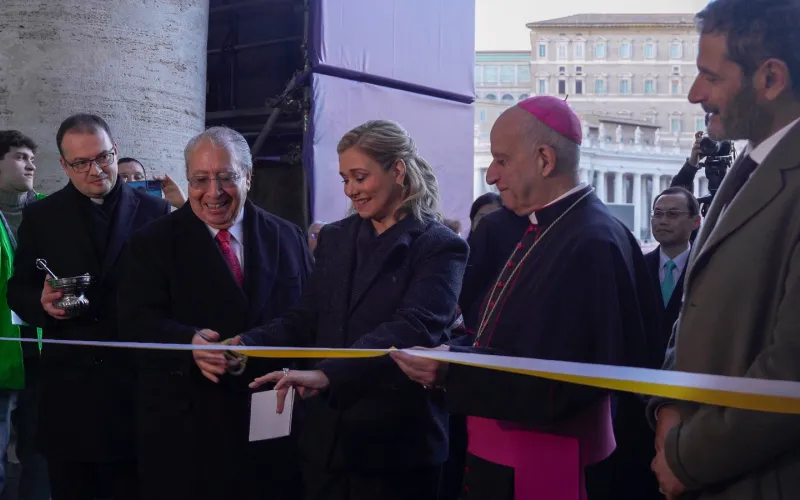
Chihuahua Governor Maru Campos inaugurated Mexico’s participation in this emblematic event, which she described as an honor and a source of pride for the state. She emphasized that debuting with a piece created by Chihuahuan hands was a gesture that united tradition, identity, and cultural representation.
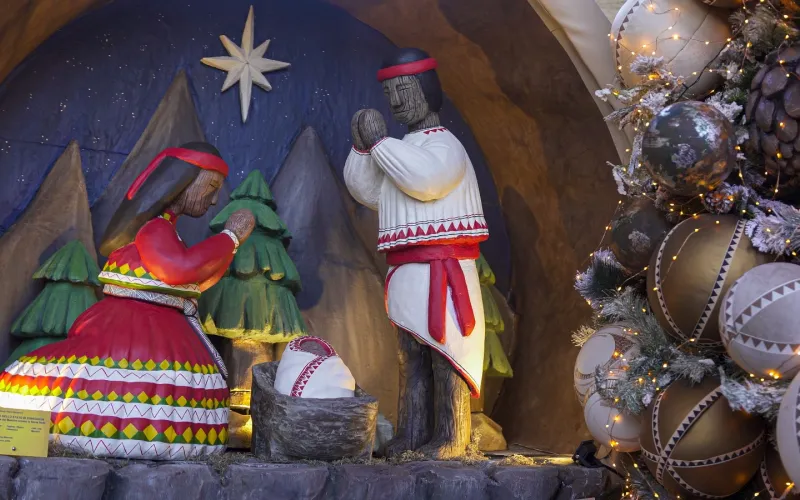
The Rarámuri Nativity scene drew attention from the very beginning. Its figures, made with traditional materials and a deliberately austere aesthetic, seemed to emerge from the earth itself. The earthy colors, the textures evoking wood and stone, and the serenity of the faces conveyed a distinct spirituality rooted in the Tarahumara canyons and mountains.
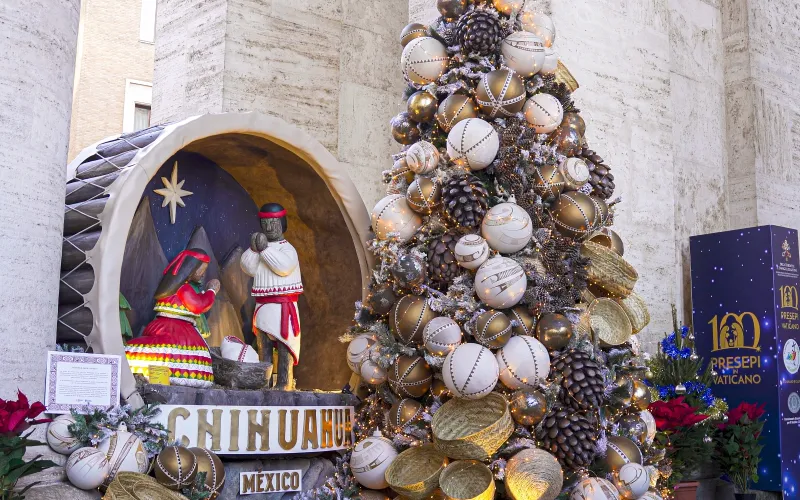
Many visitors stopped in front of the piece to observe it closely, as if the Nativity scene invited them to pause amid the holiday bustle. The Rarámuri figures, reinterpreting Mary, Joseph and the Baby Jesus, offered an intimate, silent scene, as if carrying with them the cold wind of the Sierra.
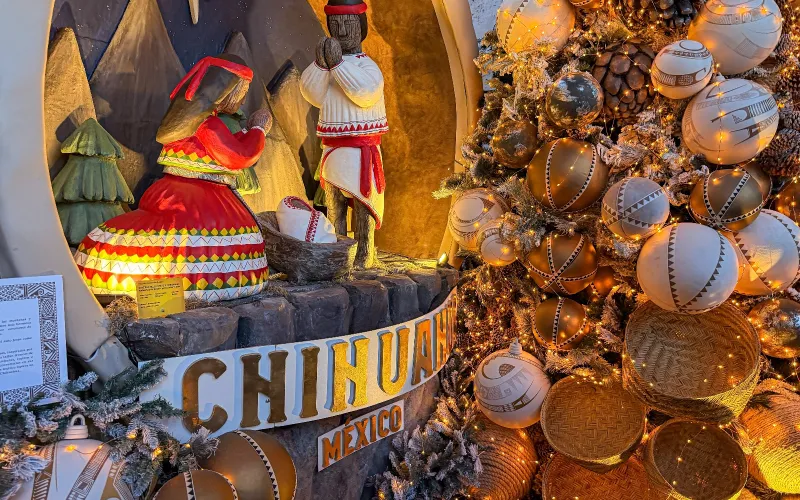
“This Nativity scene reflects the immensity of our mountains and, at the same time, the simplicity of the land that God chose to enter human history,” Campos said during the inauguration. She added that the Rarámuri tradition teaches that “what is essential needs no adornment, and light is recognized in silence, among the rocks.”
Mexico’s participation took place as part of La Navidad Mexicana en el Vaticano, coordinated by the Mexican Ministry of Foreign Relations. Chihuahua was the guest state, and the Rarámuri Nativity scene became the country’s first contribution to this exhibition, which each year brings together Nativity scenes created by artists from around the world.
Archbishop Rino Fisichella, Pro-Prefect of the Dicastery for Evangelization, presided over the event and thanked Mexico for its contribution. He highlighted the cultural and spiritual value of the Chihuahuan Nativity scene within the activities of the 2025 Jubilee, which aims to showcase the diversity of expressions of faith around the world.
Mexico’s Ambassador to the Holy See, Alberto Barranco, welcomed Chihuahua’s presence with this piece, which he said “represents a symbol of peace, faith and hope.” The Nativity scene, he noted, captures the ancestral art of the region and the symbolic strength of its Indigenous communities.
Throughout the day, the Nativity scene drew European tourists, Latin American families and religious visitors from various communities. Many asked about Rarámuri culture; others were struck by how a seemingly simple work could convey such depth.
Related: Ascent to Nohoch Mul Reopens with New Stairway in Cobá