
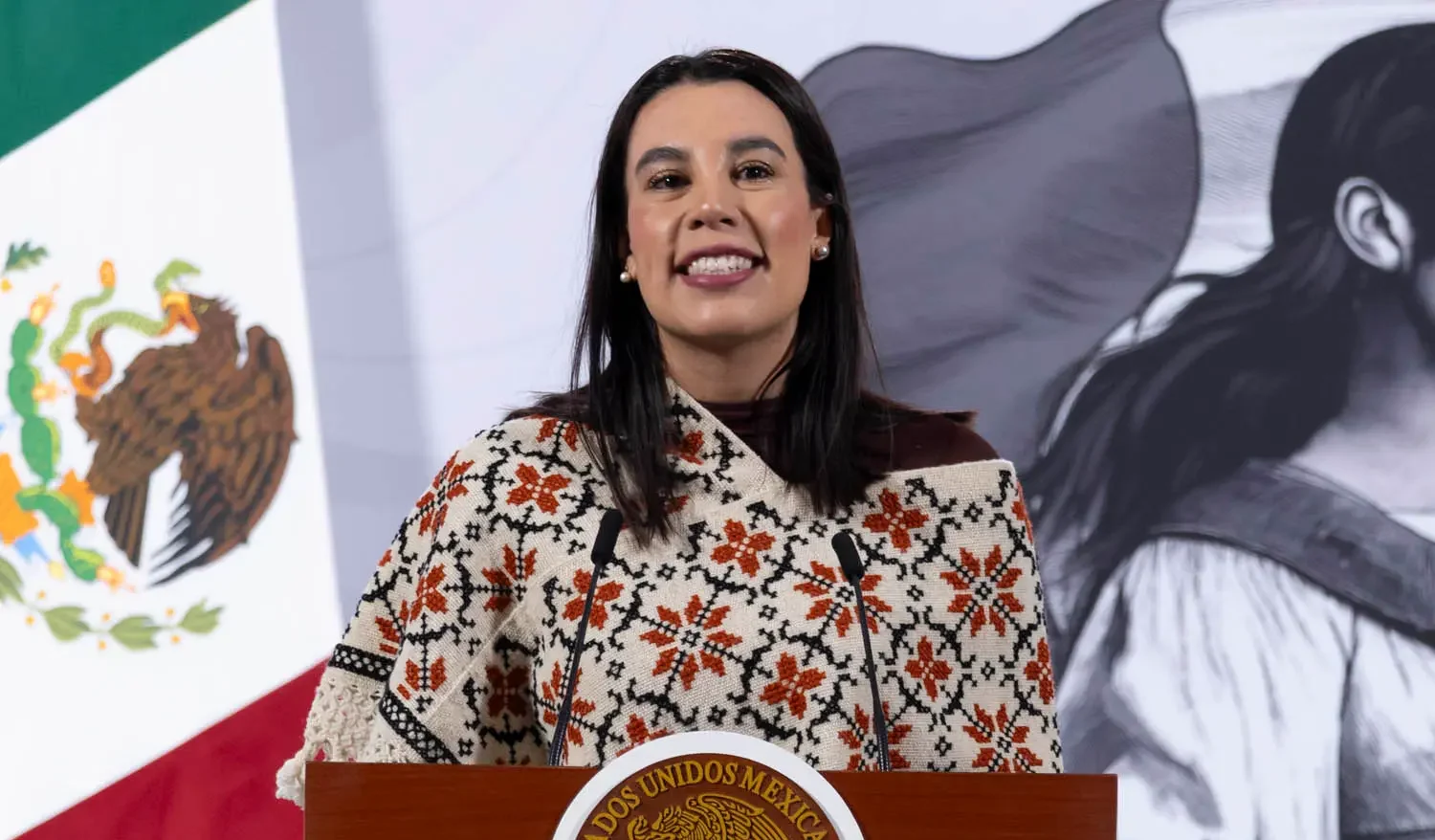
Mexico’s Minister of Tourism, Josefina Rodríguez Zamora, reaffirmed the federal government’s commitment to promoting a safer, more equitable tourism sector with expanded opportunities for all women, as part of the International Day for the Elimination of Violence against Women.
Rodríguez Zamora emphasized that, in a context of sustained growth in tourism to Mexico, institutional policies are continuously strengthened to ensure violence-free environments for visitors, tourists, and women working in the industry.
She emphasized that implementing gender-focused public policies is a priority, since this approach benefits the tourism sector as well as community development. The Minister also noted that efforts are underway to guarantee that women’s rights are fully protected and that women’s contributions are recognized and valued.
The Minister added that women’s empowerment—particularly in rural and Indigenous communities—plays a key role in preserving cultural heritage and enriching tourism experiences nationwide.
She reported that from January to September 2025, Mexico received 7.79 million foreign women tourists by air, an 0.8 percent annual increase compared to the same period in 2024.
“The growing number of women traveling to our country compels us to intensify efforts so that Mexico remains a destination where they can enjoy, grow, and feel protected at all times,” Rodríguez Zamora said.
During the first nine months of the year, Mexico registered 15,095,640 foreign air arrivals. Of these, 7,303,720 were men and 7,791,920 were women, representing 52 percent of total arrivals. This trend, she noted, shows that female travelers increasingly recognize Mexico as a destination where they can move with confidence and access safer, more supportive tourism experiences.
Rodríguez Zamora stressed that the Ministry of Tourism is committed to ensuring that preventing human trafficking and protecting girls, boys, adolescents, and women remains a constant priority throughout the country’s tourism activity.
“Our commitment is clear: no destination can be considered successful if it does not guarantee the dignity and rights of those who live in it and those who visit it,” she affirmed.
The Minister also highlighted the importance of strengthening community-based tourism, which boosts the economic autonomy of women in rural and Indigenous regions. This model supports the active participation of artisans, traditional cooks, local guides, and service providers in projects that generate income, preserve cultural identity, and reinforce social cohesion.
“Community tourism aims to promote sustainable development, improve quality of life in communities, and ensure that benefits are distributed fairly,” she said, noting that economic autonomy is one of the most effective tools for preventing violence.
Rodríguez Zamora concluded that November 25 is a moment to acknowledge the ongoing fight for women’s rights, but also a reminder that building an equality-based tourism sector requires consistent, collective work.
Related: Museums and Archaeological Sites in Mexico Receive 15.9 Million Visitors in 9 Months