Displaced Children in Mexico Face Educational and Emotional Exclusion, Warn Save the Children and UNHCR
The organizations warn that these educational and emotional gaps threaten the life trajectories of displaced children. “Their right to education is recognized
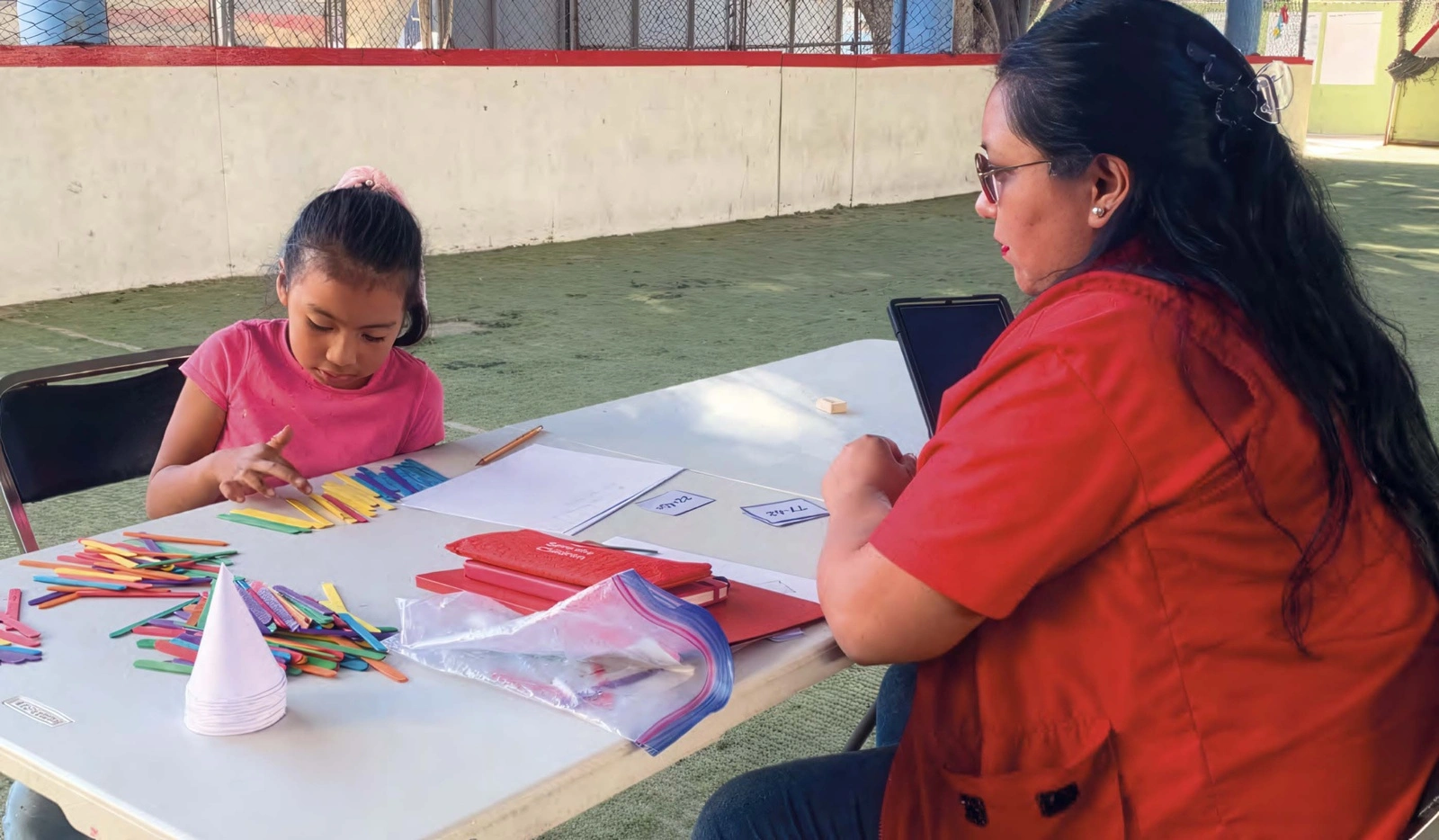
Children and adolescents who have been forced to flee their countries and are now in Mexico face serious setbacks in literacy, arithmetic, and socioemotional development, according to the study “HALDO on the Move”, conducted by Save the Children and the UN Refugee Agency (UNHCR).
The report, the first of its kind, presents empirical evidence on the learning and development status of this vulnerable population. Carried out in 2024 in Tapachula, Monterrey, and Tijuana—key cities along migration routes—the evaluation included 433 children and adolescents aged 4 to 18, from 15 countries.
One of the most alarming findings is that although 90% of adolescents were able to identify individual words, only 60% demonstrated full reading comprehension. In mathematics, 27% of adolescents mastered only basic operations, such as simple addition—highlighting a high risk of exclusion from the formal education system.
In the socioemotional domain, only 42% of adolescents displayed high levels of empathy, pointing to a lack of progress in developing key skills for emotional well-being and social integration.
Age was found to be the main predictor of performance, with no statistically significant differences between girls and boys. However, Haitian children and adolescents significantly underperformed their peers, especially in reading comprehension and complex arithmetic—largely due to language barriers, as the evaluation tools were not adapted to their native languages, Haitian Creole or French.
The organizations warn that these educational and emotional gaps threaten the life trajectories of displaced children. “Their right to education is recognized by national and international law. What’s missing is to guarantee it,” stated Save the Children.
Based on the findings, the report recommends: ensuring the right to education through programs that help recover the experience of learning and support school integration; adapting evaluation tools to different ages and linguistic and cultural contexts; and collecting disaggregated data by nationality, age, and migration status to inform evidence-based policies.
It also calls for involving families and host communities in educational processes, and strengthening coordination between public institutions, civil society, and local communities to implement comprehensive protection and education strategies.
The UNHCR highlights that Mexican law facilitates universal access to education, and that integrating asylum-seeking and refugee children into classrooms contributes to restoring a sense of normalcy, reducing educational disparities, and promoting inclusion in the host society.
This urgent call to action places displaced children at the center—children who, beyond facing violence, uprooting, and uncertainty, are also fighting to learn and grow in environments that still fail to fully guarantee their rights.
Related: Mexico Strengthens Measures to Protect Children in the Tourism Sector with Updated Code of Conduct
More from Migration
All stories →
Migration crisis in Latin America and Caribbean: Int’l organizations request USD 763 million to strengthen integration and protection
Migration crisis in Latin America and Caribbean: Int’l organizations request USD 763 million to strengthen integration and protection
Mexican families denounce U.S. border killings
*With helplessness and pain reflected in their testimonies, they demand that the IACHR condemn the deaths.
Latinos Reach Record High in U.S. Population and Workforce, UCLA Study Finds
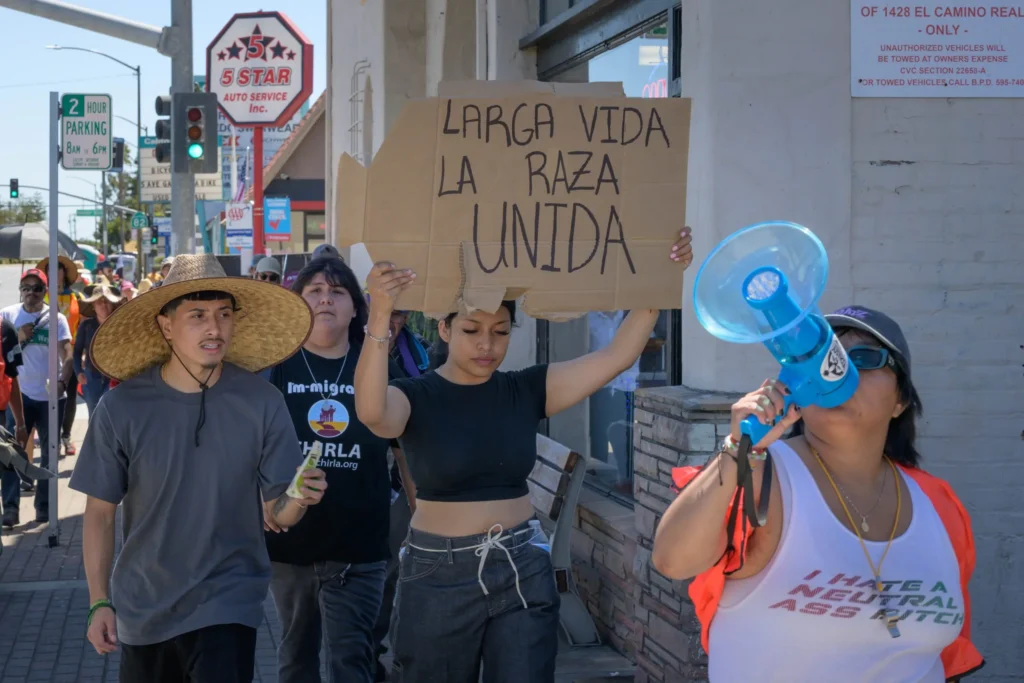
For the first time in history, one in five residents in the United States is Latino, according to a new analysis from the UCLA Latino GDP Project and California Lutheran University (Cal Lutheran). Photo: Manuel Ortiz / MxPA