Winning Is Not the Same as Governing: The 2026 Latino Vote and the Test Ahead
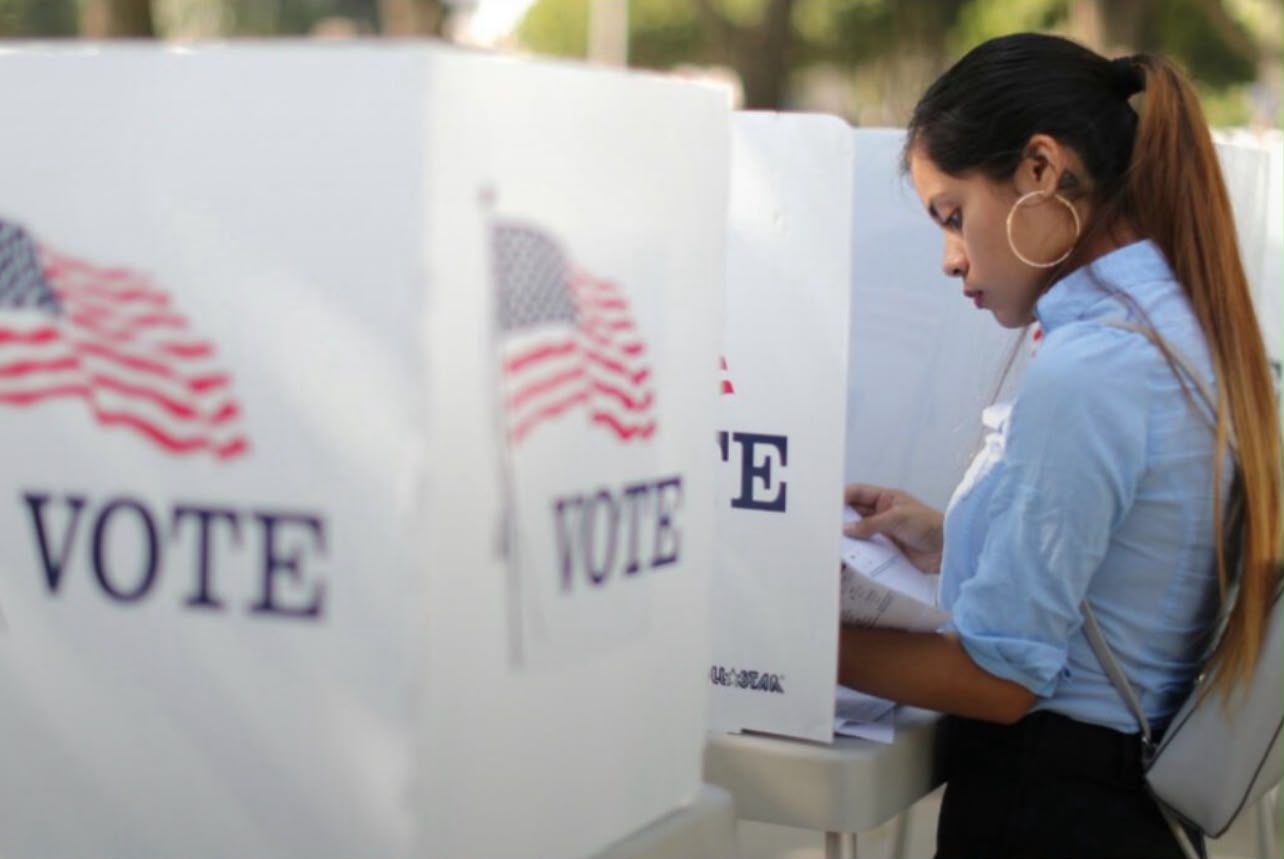
A week before the election, the early-voting numbers already told much of the story. Tom Bonier documented that Mexican American and Latino turnout was outpacing 2024 in several states and that, in every state he analyzed, Democratic turnout exceeded Republican turnout. When I read that data, I celebrated it on X with a line from the song: Whoop there it is.
The numbers behind the shift
The AS/COA analysis confirms the scale of the movement: a double-digit shift of the Latino vote toward Democratic candidates compared with 2024, in an electorate that mixes Mexicans and Latinos totaling around 39 million eligible people, with some 4 million able to vote for the first time. In the exit polls the organization cites, the reasons for the shift were the economy, the state of democracy and the intensity of immigration enforcement actions (that is, ICE), and a majority said the president's performance was a factor in their vote. The piece does not specify how many people actually voted, nor does it break the data down by country of origin. That last point matters; I return to it at the end.
The assessment of governance was also in play. In my FOX 11 interview on September 29, before the election, I noted that the handling of the fires, the situation of unhoused people and pending promises weighed on perceptions of Karen Bass. Undecided voters were a central part of the contest. My read was that the economy and its effects on daily life could mobilize people looking to express their discontent at the ballot box. It was a campaign analysis, not a foregone result.
The results confirmed the trend
When the polls closed, the results were consistent with what the early-voting numbers had suggested. Xavier Becerra won the California governorship against Steve Hilton; in Los Angeles, Nithya Raman defeated Mayor Karen Bass, who conceded on November 5; Texas elected Gina Hinojosa, the state's first Latina governor; and Democrats retook the House of Representatives and the Senate. I had been documenting these campaigns since September, when the polls were beginning to turn against the president's party.
From the contest to governing
On November 6, after the election, I explained in a television interview that the change of government in Los Angeles raised concrete questions: who will make up the team, what the first priorities will be and how the city council and its departments will coordinate. An administration does not change overnight. There are budgets, institutions and citizen expectations that must be addressed at the same time.
Public safety and the situation of unhoused people require agreements with other authorities, including the county and the state and federal governments. That was the distinction I made: winning a campaign is one thing, and turning promises into action is another. The evaluation should focus on the capacity to coordinate, deliver and explain progress, beyond the ideological differences the contest left behind.
A vote that belongs to no one
My reading aligns with that of analysts I often share. María Cardona put it plainly on CNN: Latinos "are some of the swingiest voters that there are." No party can take our vote for granted. Mike Madrid described the result as "a generational wave." Both point to the same thing: this electorate moves, and whoever treats it as fixed will lose it.
The missing data point and the test ahead
I return to the point I left pending: the available figures speak to the Latino vote as a whole and do not break down the Mexican and Mexican American community. Without that measurement, we do not know precisely how our families or the new generations voted, and any strategy, from any party, operates blind. Closing that gap is the task of those of us who analyze politics, but also of those who claim to represent this community.
The second task is set by the result itself. This electorate proved that it moves and that no party inherits it: it punishes and it rewards. Those who won now face the hardest part, coordinating, delivering and explaining progress; those who lost must decide whether they will compete for this vote again with more than slogans. Early voting was an early signal of mobilization, not proof of the result; what no number yet tells us is who will do the sustained work of registration, presence and concrete answers to earn that vote in 2028.
More from Migration
All stories →
UNHCR Honors Mexican National Pablo Moreno Cadena for Promoting Employment Inclusion for Refugees
UNHCR has awarded the Nansen Award for the Americas to Pablo Moreno Cadena in recognition of his leadership in creating formal employment opportunities for refugees in Mexico.

Migration crisis in Latin America and Caribbean: Int’l organizations request USD 763 million to strengthen integration and protection
Migration crisis in Latin America and Caribbean: Int’l organizations request USD 763 million to strengthen integration and protection
Mexican families denounce U.S. border killings
*With helplessness and pain reflected in their testimonies, they demand that the IACHR condemn the deaths.