Mexico’s Victory in the Battle of Puebla: 163 Years as a Symbol of Resistance and National Defense
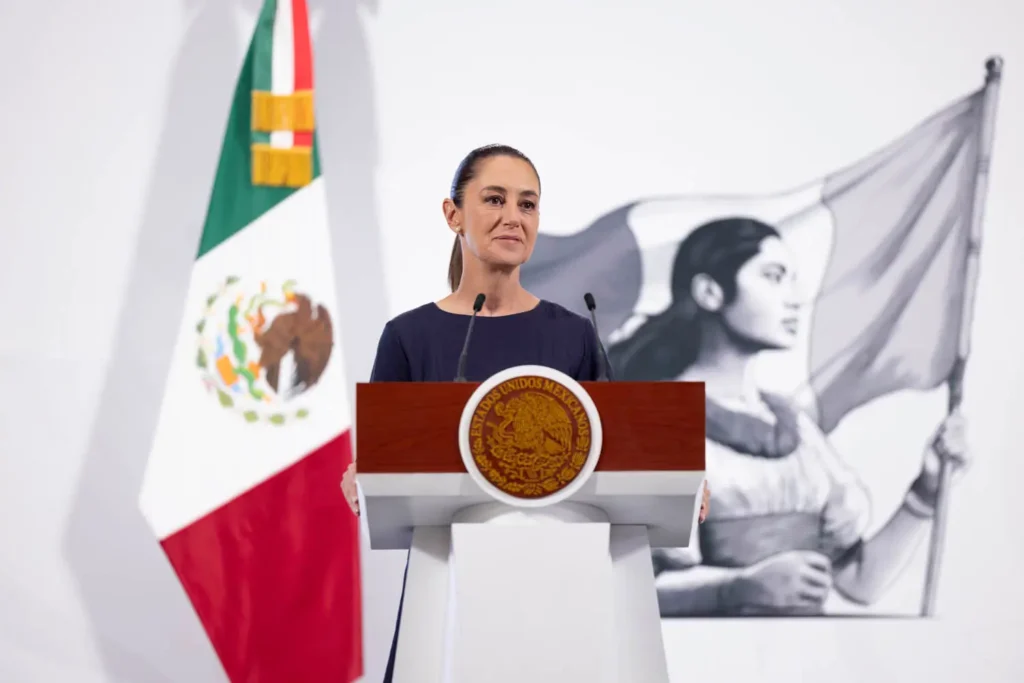
As every May 5th since 1862, the people of Mexico commemorate the victory over France in the Battle of Puebla. In the words of President Claudia Sheinbaum, this victory “is a symbol of resistance and defense of the homeland; it is the glorious message of our people for the heroic defense of their independence.”
From the city of Puebla, where she delivered a speech on the 163rd anniversary of the Battle of Puebla, Mexico’s president declared that “May 5th reminds us that the present and future of Mexico is that of being a free, independent, and sovereign nation.”
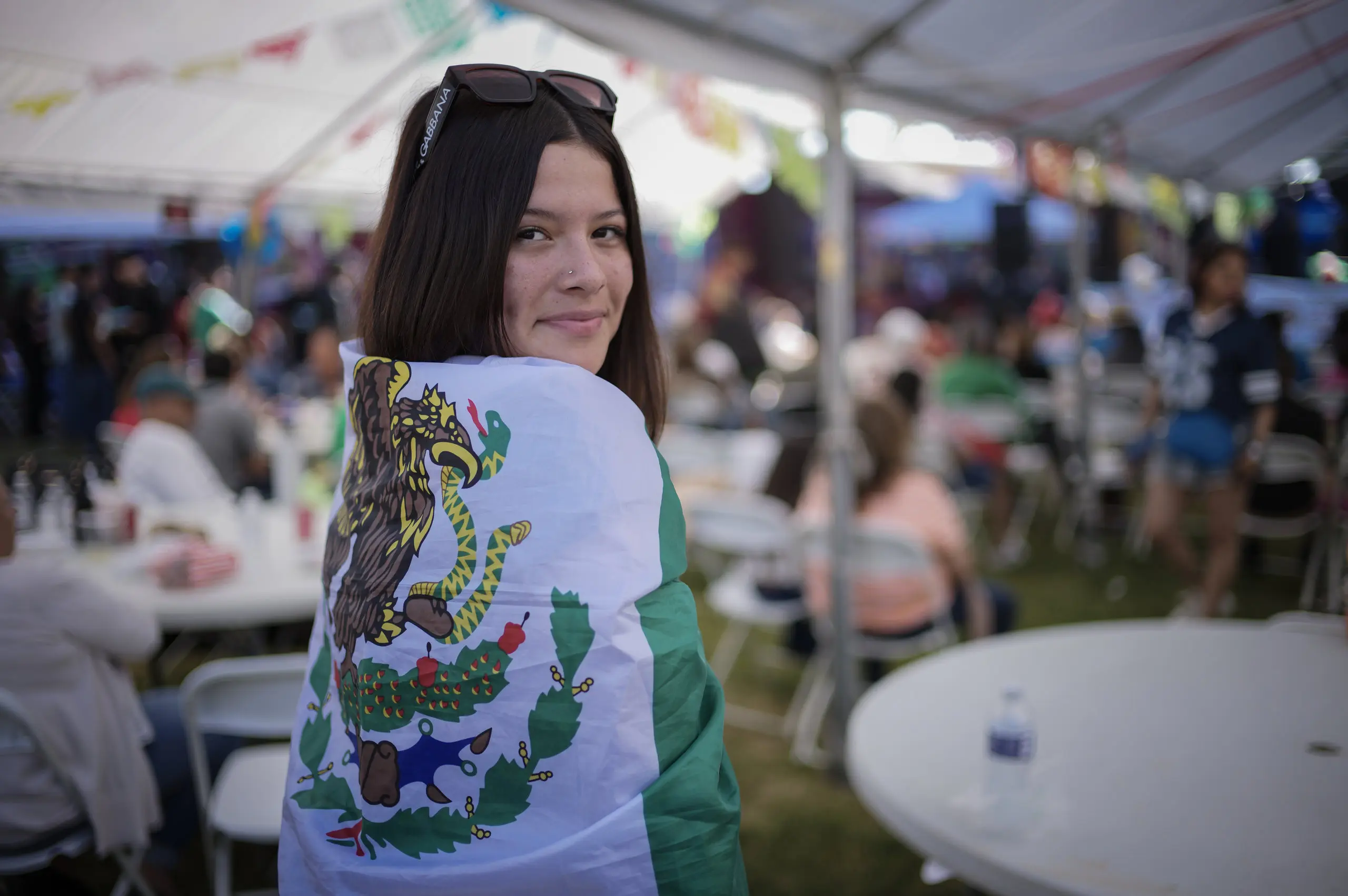
She added that the Battle of Puebla is one of the most patriotic and moving moments in the defense of the homeland, as “our migrant brothers and sisters commemorate May 5th as the main holiday that they celebrate.”
Memories of Glory
In 1862, the armies of Spain, Great Britain, and France landed in Veracruz seeking to collect debts owed by Mexico. After negotiating with the Mexican government’s representative, Spain and Great Britain withdrew their forces.
However, Napoleon III, Emperor of the Second French Empire, sought to establish a monarchy favorable to France and to dissolve Mexico’s constitutional government.
Thus, French forces—7,000 soldiers led by General Lorencez—set out for Mexico City.
President Benito Juárez ordered General Ignacio Zaragoza to halt the advance at the forts of Loreto and Guadalupe near the city of Puebla.
Zaragoza had only 2,000 men. On May 5, 1862, cannons roared and rifles fired—over 1,000 French soldiers were killed. The Mexicans had won the battle, though not the war. Still, this date symbolizes the bravery of the Mexican people in the face of a formidable army.
Defeated at Puebla, the French retreated to Orizaba to await reinforcements. Meanwhile, Louis Bonaparte, nephew of Napoleon I, allied with Mexican conservative factions to install a European monarch in the country.
By June 1864, Maximilian of Habsburg and his wife Carlota (both Austrian) arrived in Mexico City to assume the throne of the newly formed Mexican Empire and were crowned Emperor and Empress of Mexico. The republicans, led by Benito Juárez, did not accept the foreign intervention. They took refuge in northern Mexico and appealed to Californians and other Mexican-American communities for funding and volunteers.
After the U.S. Civil War ended, the United States pressured France to withdraw. The French withdrawal in 1867 was inevitable. Maximilian, left defenseless, relied on his old conservative allies—Generals Miramón and Mejía—but it was too late.
Defeated in Querétaro, they were executed on Cerro de las Campanas.
Related: Alebrijes and Nahuales from Mexico Arrive in San Francisco in a Major Exhibition
More from Culture
All stories →
Mexican-American Scholar Angela Valenzuela Receives Educational Justice Award in the U.S.
Researcher Angela Valenzuela has received the 2026 Social Justice in Education Award from the American Educational Research Association (AERA), a recognition of more than three decades of work for the educational rights and opportunities of Mexican-American students and other communities of color.
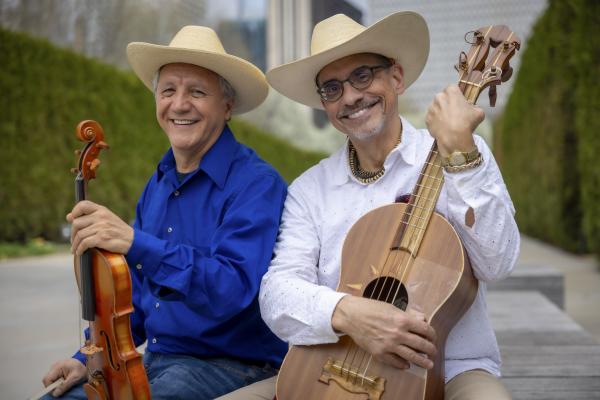
Mexican musician Victor Pichardo receives the highest honor in traditional music in the US
Mexican musician Victor Pichardo receives the highest honor in traditional music in the US. The Mexico City-born musician Victor Pichardo, together with Juan Díes, received the 2026 National Heritage Fellowship from the National Endowment for the Arts.

Tanya Meléndez-Escalante, a Mexican curator, takes over as general manager of the Museum at FIT in New York
The Mexican curator Tanya Meléndez-Escalante has been named general manager of the Museum at the Fashion Institute of Technology (FIT) in New York, where she will oversee areas including operations, fundraising, strategic planning and administration.