Mexican sculptor of the famous figure of María Sabina also exhibits in Italy
One of Eduardo Salinas's works went viral after social media users uploaded videos in which it supposedly moved on its own.
Have you ever seen sculptures so lifelike they seem alive? One of Eduardo Salinas’s works went viral after social media users uploaded videos in which it supposedly moved on its own. The detail in this sculptor’s works is such that he has received requests from Europe to exhibit them in museums outside of Mexico.
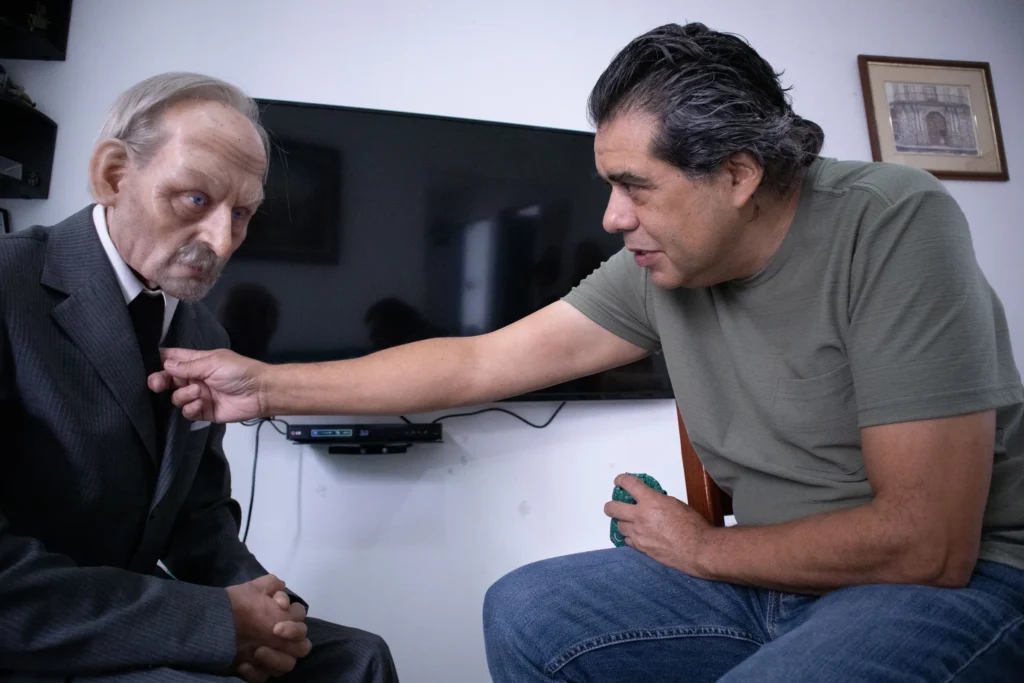
“I’m really happy about it. I think it’s a very popular figure… people like it so much that they say, ‘Oh, it moves! It stares at you!’” the Mexican sculptor commented in an interview with Mexican Press Agency (MxPA) about the popular sculpture of María Sabina.
This sculpture of the famous Mexican healer is featured in the “Witches in Mexico” exhibition in Guadalajara, Jalisco, but it’s not the only work by the sculptor on display; his work can also be found at the Serial Killer Museum in Mexico City and in an exhibition in Florence, Italy.
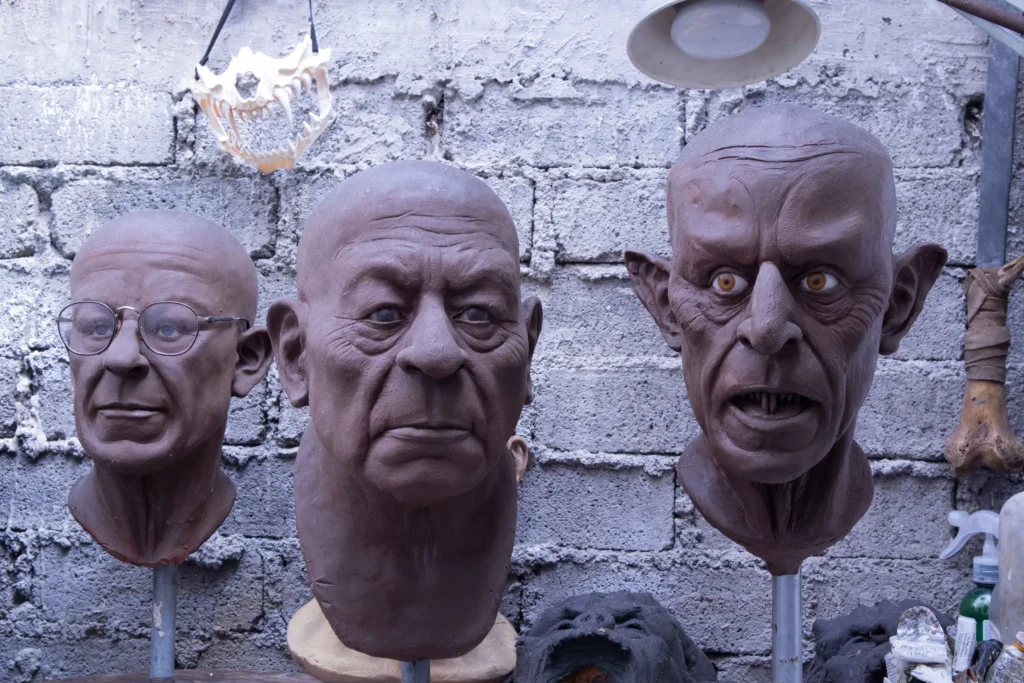
Eduardo Salinas, 56, originally from Mexico City, has been sculpting for nearly thirty years, and his mastery of the realism technique can be seen in the sculptures in his workshop.
This artist specializes in the human figure, creating particularly realistic portraits and the occasional monster or dinosaur.
The sculptor told MxPA: “Since I was a child, I was always very interested in art, even though I didn’t know it. I used to model a lot with clay… I created my own figures, my own versions of things. Watching monster movies, I would make my own museums with little figures under the window.”
The Mexican artist began his career at the Wax Museum in Mexico City, where he worked as a sculptor’s assistant and eventually coordinated the production chain for the museum’s figures.
“The Wax Museum was my school for 14 years; I couldn’t have asked for a better university,” Eduardo commented. He learned from all the sculptors and people who worked at the museum, from artists to carpenters. Everyone involved in the process had valuable secrets and techniques for this art.
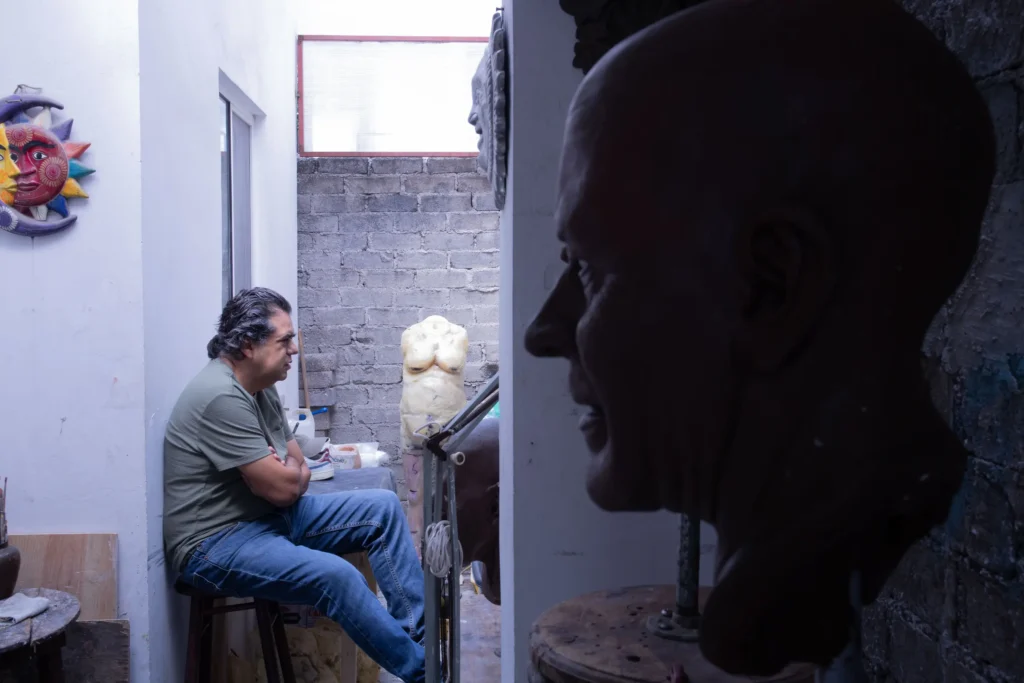
Witches, werewolves, vampires, and dictators are the figures Eduardo sculpts; he acknowledges that these themes are complicated, but said he likes his pieces to be admired beyond morbid curiosity. For the sculptor, his works tell stories that can help us reflect on the terrible acts of these people and help us avoid repeating historical mistakes like those of dictators.
The fact that his pieces have managed to leave Mexico and find a home in Europe seems natural to the Chilango artist, as he commented that he has always worked with foreign entrepreneurs. He also applauded the initiative of these entrepreneurs who come from outside Mexico to invest in the country and create jobs.
More from Culture
All stories →
Mexican-American Scholar Angela Valenzuela Receives Educational Justice Award in the U.S.
Researcher Angela Valenzuela has received the 2026 Social Justice in Education Award from the American Educational Research Association (AERA), a recognition of more than three decades of work for the educational rights and opportunities of Mexican-American students and other communities of color.

Mexican musician Victor Pichardo receives the highest honor in traditional music in the US
Mexican musician Victor Pichardo receives the highest honor in traditional music in the US. The Mexico City-born musician Victor Pichardo, together with Juan Díes, received the 2026 National Heritage Fellowship from the National Endowment for the Arts.

Tanya Meléndez-Escalante, a Mexican curator, takes over as general manager of the Museum at FIT in New York
The Mexican curator Tanya Meléndez-Escalante has been named general manager of the Museum at the Fashion Institute of Technology (FIT) in New York, where she will oversee areas including operations, fundraising, strategic planning and administration.