The US Shelters Flávio Bolsonaro While Locking Up Migrant Workers

Luiz Inácio Lula da Silva's victory in Brazil's presidential elections has brought a predictable but questionable consequence: candidate Flávio Bolsonaro has fled the country for the United States.
Responding to a question from Forbes, US President Donald Trump stressed that they gave Flávio Bolsonaro permission to enter the country and that the election in Brazil was "very strange."
Trump is quick to discredit the legitimacy of Brazil's elections, but he did not address the investigations Flávio Bolsonaro faces in his own country. One of these investigations relates to money laundering, another to allegedly receiving foreign resources for his political campaign.
The decision to grant asylum to a man with pending criminal investigations flatly contradicts the current US administration's rhetoric. While complaints of arbitrary detentions by Immigration and Customs Enforcement (ICE) pile up, the doors open for those who evidently receive preferential treatment.
There is a clear parallel between the case of Jair Bolsonaro (former president of Brazil and father of Flávio Bolsonaro) and Donald Trump. Both tried to prevent the peaceful transition of power, and both have expressed sympathy for the other.
However, Jair Bolsonaro is now serving a 27-year sentence for his attempted coup; the other is president of the United States.
Among the accusations against Jair Bolsonaro are those of negotiating the cancellation of tariffs on Brazilian products in the United States on the condition of annulling the legal proceedings against him.
Flávio Bolsonaro, like his father, has also refused to recognize the results of the latest elections and, in a letter published on X, also thanked Argentine President Javier Milei for his "good judgment" as well as Donald Trump for receiving him in the United States.
It could not be clearer: Flávio Bolsonaro received direct support from the bloc allied with the US administration to leave his country without a passport, evading Brazilian customs and security.
These figures belong to a class that the law does not touch, one that enjoys protection and preference. For some, having tattoos is reason enough to be detained and sent to prisons in El Salvador, contradicting a judge's orders. For others, the doors open despite pending legal proceedings.
More from Opinion
All stories →
The Super Bowl: A Luxury and a Political Statement for Mexicans
Attending Super Bowl LX is not just about witnessing the most-watched sporting event on the planet—it is about crossing a symbolic border between spectacle, economy, and politics.
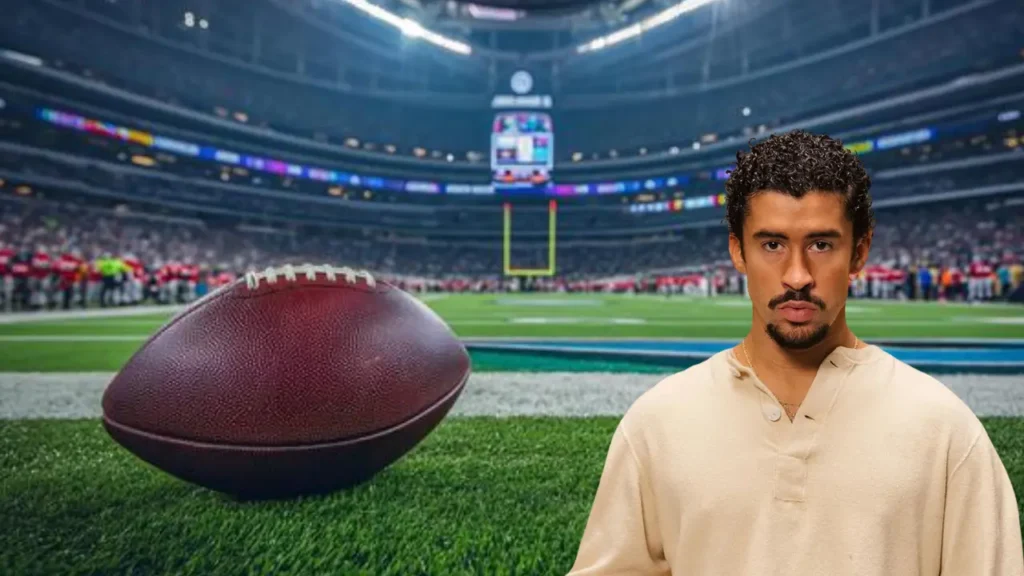
From 'Bad Hombres' to Bad Bunny: the New Political Battleground at the Super Bowl
In 2016, Donald Trump used the phrase “bad hombres” to refer to Latino migrants, stigmatizing entire communities with a racist insult that still echoes in U.S. political memory
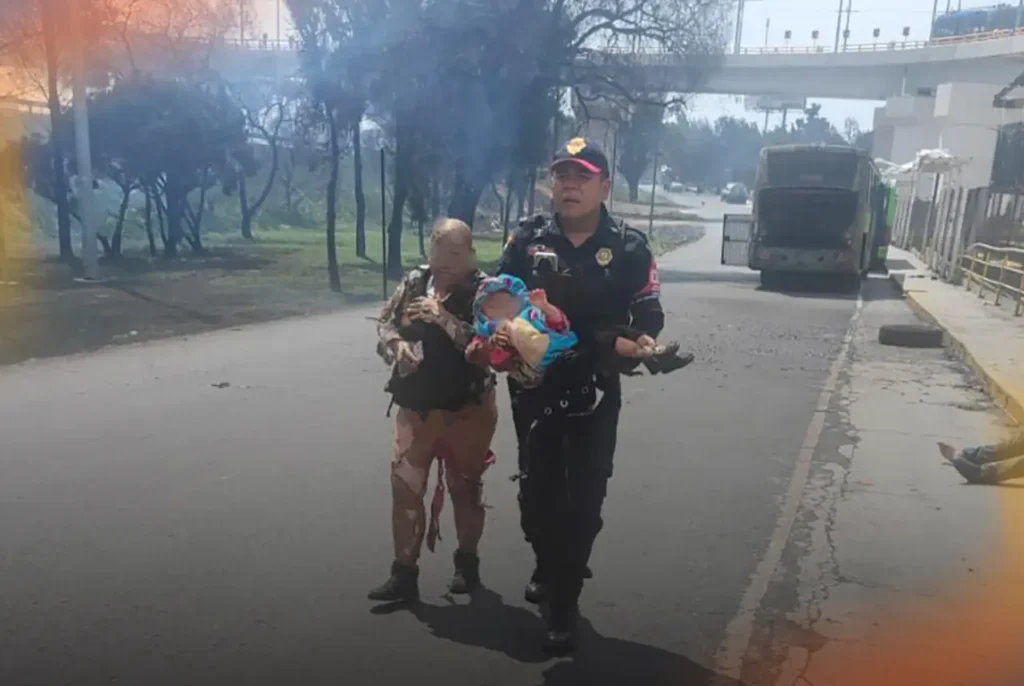
Being Chingón Is Mexican: Unity and Resilience in the Face of Tragedy
Whenever tragedy strikes, proves once again that being chingón is Mexican: the kind of people who, in the midst of pain, become one body, one entity moving in unison, full of love, aid, and resilience.