The River Two Economies Share
The dispute over Colorado River water is not just a legal fight between states: it is a matter of binational competitiveness.
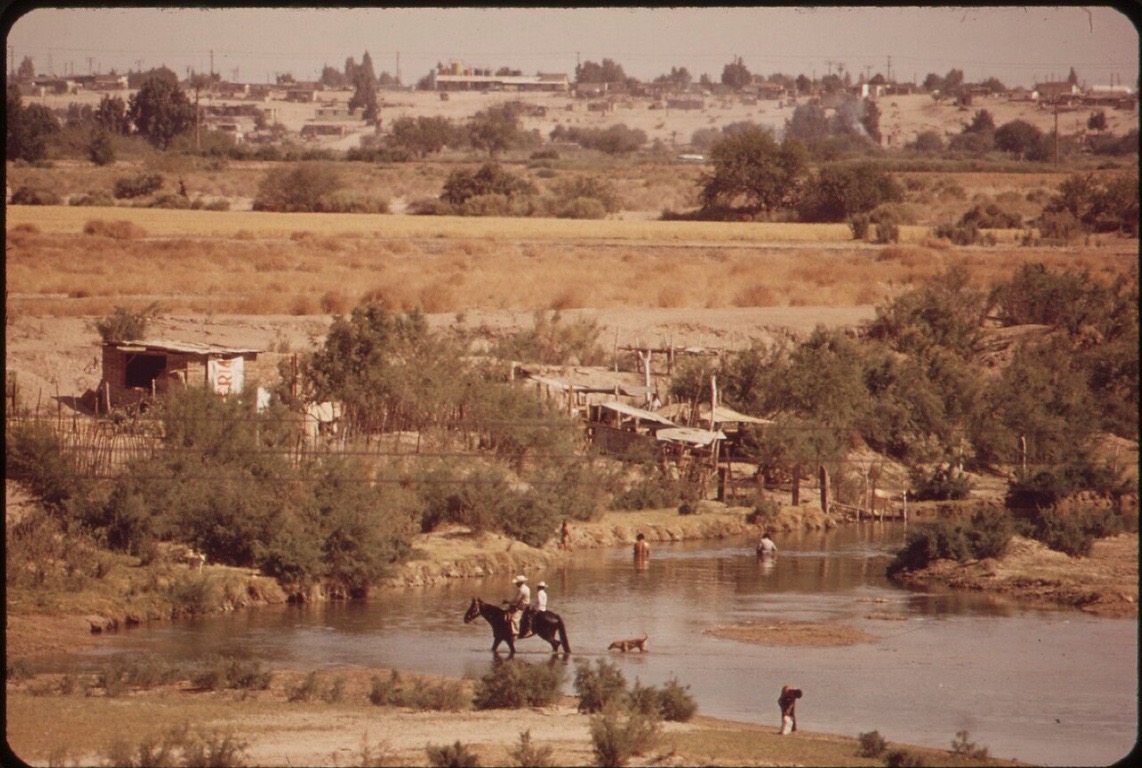
When people talk about the relationship between Mexico and the United States, the conversation usually turns to tariffs, cars and remittances. But there is an input that sustains much of that shared economy and that is now in short supply: water from the Colorado River.
On October 16, Arizona joined Nevada's lawsuit against the federal plan that allocates 1.25 million acre-feet in annual cuts among the lower-basin states. Mexico, by contrast, has already assumed its share: under Minute 334, signed on September 2, it agreed to cut 250,000 acre-feet, roughly 17%, of its allocation for 2027 and 2028.
The figure is not abstract. Most of that water irrigates the Mexicali Valley, an agricultural region closely tied to the U.S. market. Less water means fewer planted hectares, less farm employment and, eventually, pressure on food prices on both sides of the border.
That is the central point: scarcity will not be resolved in state courts. While the states litigate, agriculture in both countries faces the same river with less flow. Mexico and the United States should treat water for what it is, a matter of regional competitiveness as relevant as the T-MEC rules of origin. Investing jointly in technified irrigation, reuse and monitoring costs less than a lost harvest.
The Colorado River does not recognize borders. Neither should the way we manage it.
More from Economy
All stories →
Víctor González Herrera conquers Japan with Dr. Simi and makes Mexico fashionable
Amid the neon lights, giant screens, and pedestrian frenzy of Shibuya, Tokyo welcomed an unlikely visitor: Dr. Simi.

IMF Forecasts 1.5% Economic Growth for Mexico in 2026
Mexico’s is expected 1.5 percent Economic Growth in 2026, according to the latest outlook from the International Monetary Fund (IMF), amid a context of weak domestic momentum and heightened global uncertainty.

Sheinbaum confident in USMCA continuity despite Trump’s remarks
President Claudia Sheinbaum Pardo said she is convinced that the United States–Mexico–Canada Agreement (USMCA) will remain in place, underscoring that the