Mexican Senate approves digital payments law with cash rules still undefined
Mexico's Senate approved a digital payments law 73-34, letting the Finance Ministry bar cash in selected sectors. A first sector list is due within 15 days.
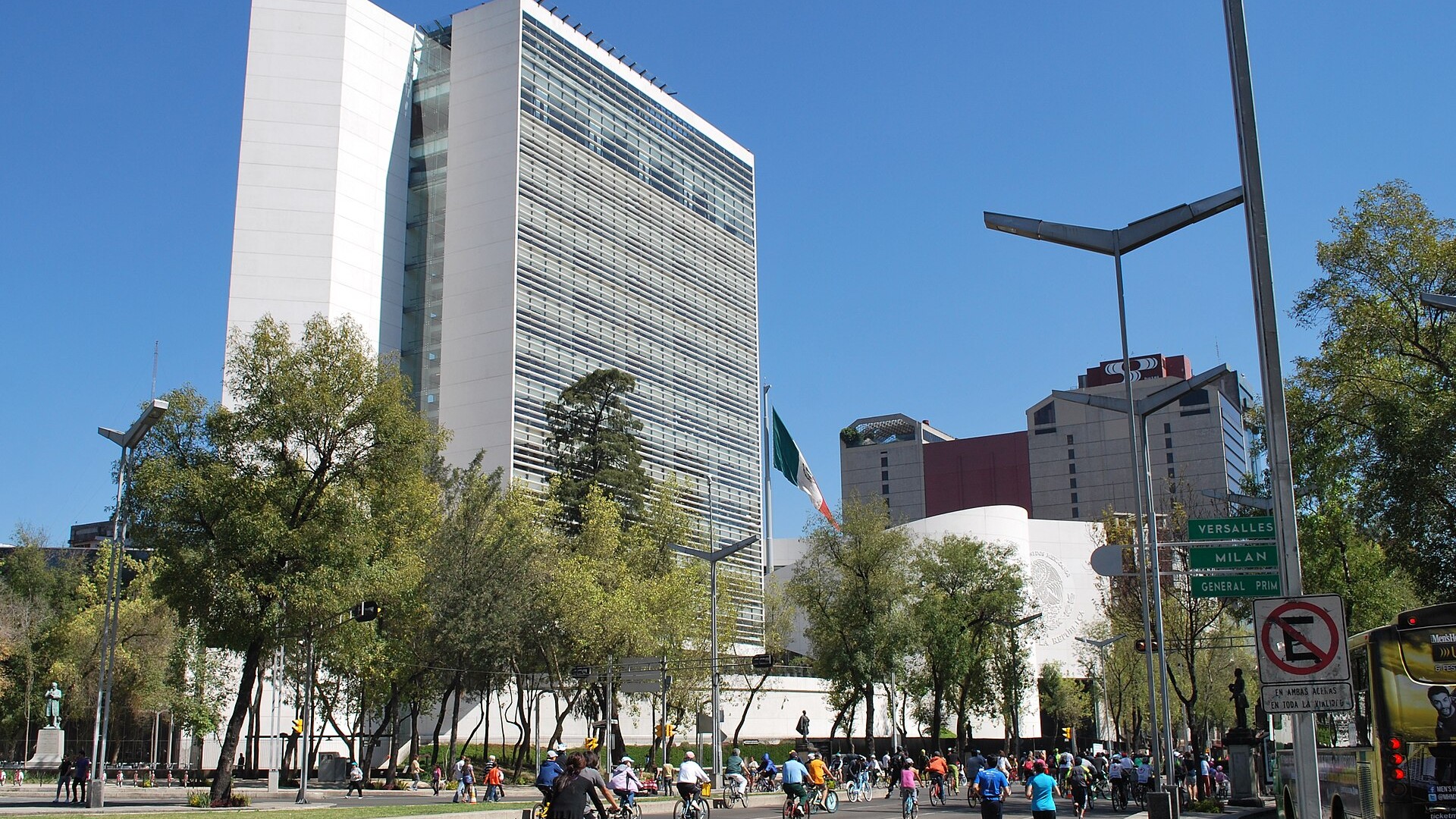
The Mexican Senate approved the Digital Economy Law for Digital and Electronic Payments on Tuesday, Oct. 20, 2026, by a vote of 73 to 34, creating a framework that lets the federal government stop accepting cash in selected sectors. The bill now goes to President Claudia Sheinbaum, who proposed it and is expected to sign it.
The law gives the Finance Ministry (Secretaría de Hacienda y Crédito Público) power to designate "the strategic sectors and relevant activities in which the acceptance of digital and electronic payment methods will be the only form of payment," Mexico News Daily reported. The ministry must publish an initial list within 15 days of the law's publication in the Official Gazette of the Federation. Gas stations and highway toll booths, which Sheinbaum said in March would stop taking cash, are expected to be included.
The harder work starts at the municipal level. El Financiero columnist Jeanette Leyva wrote on Oct. 22 that states and municipalities must move services such as property tax (predial), fines, licenses and water bills onto electronic channels, and that doing so will require incentives, lower bank fees, better connectivity and alternatives for people without bank accounts. She noted that Mexico already has widely used payment rails, including SPEI and CoDi, but that persuading local governments to stop collecting cash is a separate challenge, complicated by the approach of an election year.
The law covers QR codes, near-field communication devices, cards, direct deposits and transfers, and adopts the Digital CURP and the Expediente Digital Ciudadano as trusted mechanisms for financial services, the Senate said. Businesses in affected sectors may still take cash or checks when digital systems are down. Sen. Emmanuel Reyes of the ruling Morena party, chair of the Senate Economy Committee, said small and medium-sized businesses will gain "the possibility of increasing their payment methods." Claudia Anaya of the Institutional Revolutionary Party said 55% of Mexican workers are informal and usually paid in cash. José Máximo García of the National Action Party said mandatory card terminals and commissions of 1.5% to 4.5% would raise prices. Francisco Daniel Barreda of the Citizens Movement said the problem is compulsion, not technology: "That's not [financial] inclusion, it's digital exclusion."
Once published in the Official Gazette, the law takes effect and starts a 15-day clock for the first sector list. Whether gas stations, toll booths and municipal offices actually stop taking cash depends on rules the ministry and sector regulators have not yet written.
Sources: Mexican Senate passes bill to limit or often prohibit cash payments · Economía digital: la prueba estará en los municipios
This story was written with the help of artificial intelligence from verified sources and reviewed by a human editor before publication.
More from Economy
All stories →
Sheinbaum confident in USMCA continuity despite Trump’s remarks
President Claudia Sheinbaum Pardo said she is convinced that the United States–Mexico–Canada Agreement (USMCA) will remain in place, underscoring that the
Fitch assigns Pemex a ‘AA(mex)’ national rating with Stable outlook
Fitch Ratings, an American credit rating agency, assigned Petróleos Mexicanos (Pemex) a long-term national rating of “AA(mex)” on the local scale, with a Stable outlook.

Mexican Business Leaders Assess USMCA Review and Impact of Tariffs in North America
Business leaders, specialists and representatives of strategic organizations gathered at a forum convened by the COMCE to analyze the challenges and opportunities that will shape the review of the USMCA.