UNESCO Recognizes Iztapalapa’s Holy Week as Intangible Cultural Heritage; Sheinbaum Hails Announcement
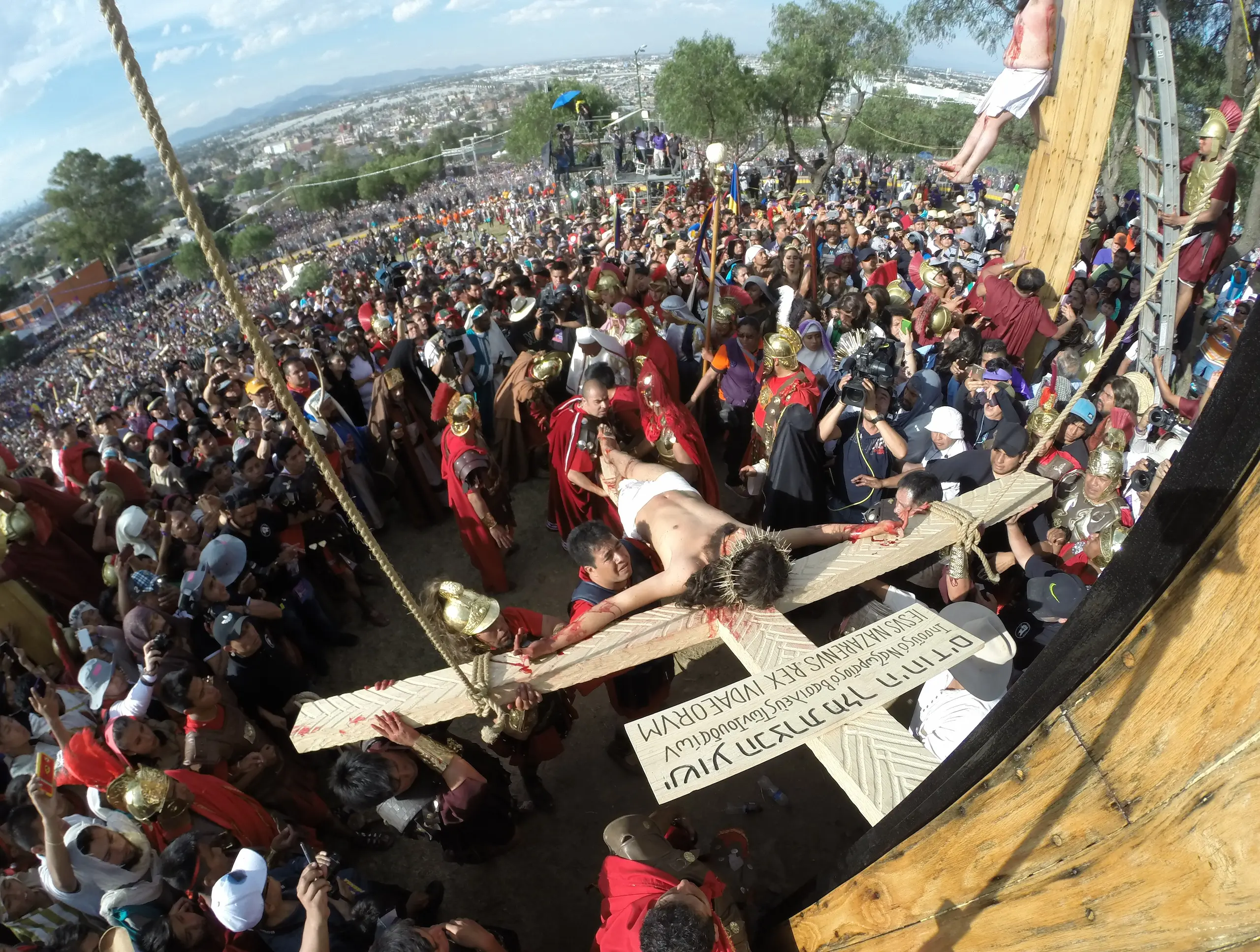
Mexican President Claudia Sheinbaum congratulated the organizing committee of the Holy Week celebrations in Iztapalapa after UNESCO recognized this tradition as an Intangible Cultural Heritage of Humanity. She said the recognition honors a community that has safeguarded and transmitted this cultural expression for nearly two centuries.
The President also congratulated Head of Mexico City Government Clara Brugada and Iztapalapa Mayor Aleida Alavez for their efforts to strengthen and support the tradition during their administrations. She likewise acknowledged the role of Diego Prieto, director of the National Institute of Anthropology and History (INAH), in advancing the nomination.
“This is an activity with many years of history, carried out by a community-based committee. We congratulate them for the great effort they put into this celebration; and we congratulate Clara, and Diego Prieto, who also helped considerably in achieving this recognition that is so important for all the people of Iztapalapa,” she said.
The tradition dates back to 1833, when the community made a collective vow seeking relief from a cholera epidemic. A decade later, the first formal reenactment was staged, beginning a cycle that now spans more than 180 consecutive years.
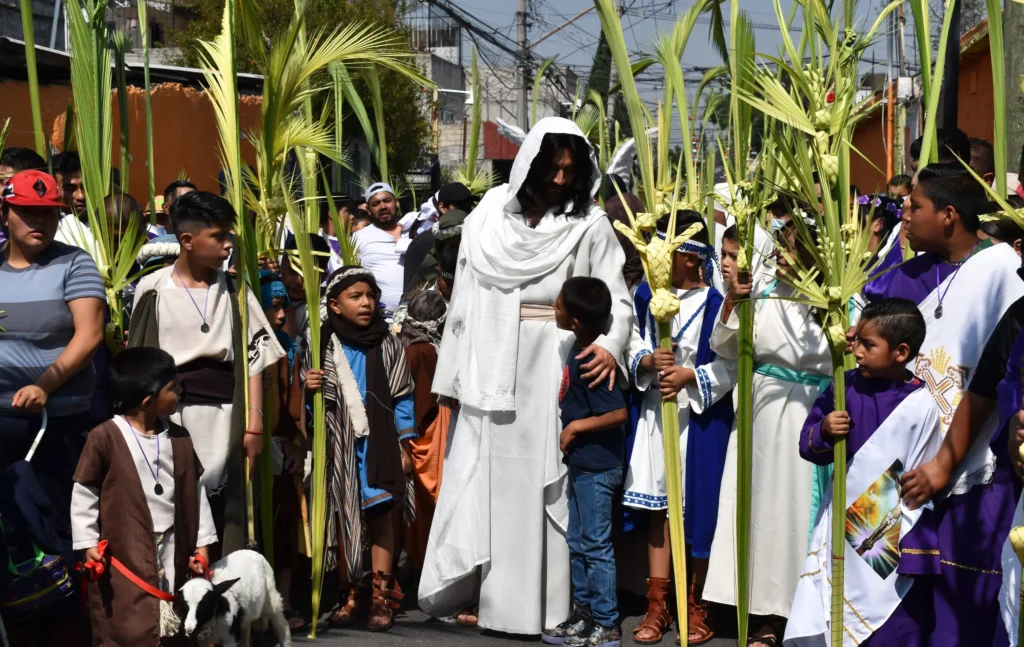
During its 20th session in New Delhi, the UNESCO Intergovernmental Committee highlighted the community-driven, symbolic, and cultural nature of the Holy Week celebrations. The organization noted that the representation mobilizes thousands of residents from Iztapalapa’s eight original neighborhoods each year, strengthening social cohesion and the exercise of cultural rights.
The nomination was advanced jointly by the Iztapalapa Holy Week Organizing Committee (COSSIAC), the Ministry of Culture, the Mexico City Government, and the Iztapalapa Mayor’s Office. The Mexican government indicated that the candidacy met the criteria of the 2003 Convention for the Safeguarding of Intangible Cultural Heritage, as it “promotes peace, social cohesion, and the exercise of cultural rights beyond its religious roots.”
The Representation of the Passion, Death, and Resurrection of Christ has become a major cultural event that attracts millions of visitors each year. Preparation begins in December with community-led planning, followed by months of rehearsals and logistical coordination, culminating in the Holy Week reenactments performed by local residents.
The cycle concludes on May 3 with the blessing of the cross, a symbolic act that reaffirms the community’s identity and the continuity of the tradition. Residents play a central role as actors, organizers, facilitators, and caretakers of intergenerational knowledge.
UNESCO emphasized that the tradition fosters solidarity, preserves traditional crafts, and keeps the community’s cultural memory alive. Beyond its religious origin, the organization noted, the practice strengthens social cohesion and deepens the sense of belonging.
Related: Mexico Debuts at the Vatican’s ‘100 Presepi’ with a Rarámuri Nativity Scene from Chihuahua
More from Culture
All stories →
Mexican-American Scholar Angela Valenzuela Receives Educational Justice Award in the U.S.
Researcher Angela Valenzuela has received the 2026 Social Justice in Education Award from the American Educational Research Association (AERA), a recognition of more than three decades of work for the educational rights and opportunities of Mexican-American students and other communities of color.
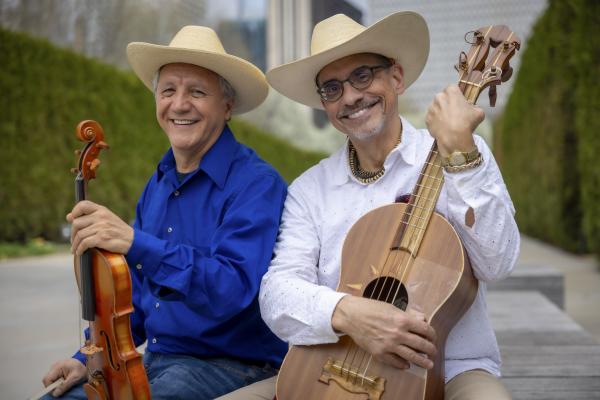
Mexican musician Victor Pichardo receives the highest honor in traditional music in the US
Mexican musician Victor Pichardo receives the highest honor in traditional music in the US. The Mexico City-born musician Victor Pichardo, together with Juan Díes, received the 2026 National Heritage Fellowship from the National Endowment for the Arts.
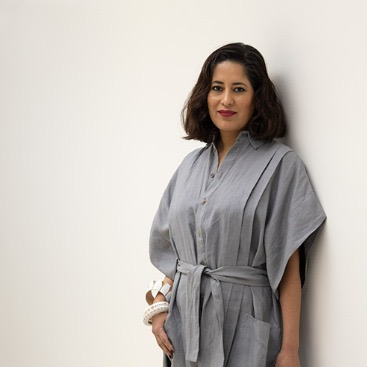
Tanya Meléndez-Escalante, a Mexican curator, takes over as general manager of the Museum at FIT in New York
The Mexican curator Tanya Meléndez-Escalante has been named general manager of the Museum at the Fashion Institute of Technology (FIT) in New York, where she will oversee areas including operations, fundraising, strategic planning and administration.