Residente Moved Mexico City
We weren't prepared for the emotional roller coaster that René Pérez, also known as Residente, would unleash Saturday afternoon at the Zócalo.
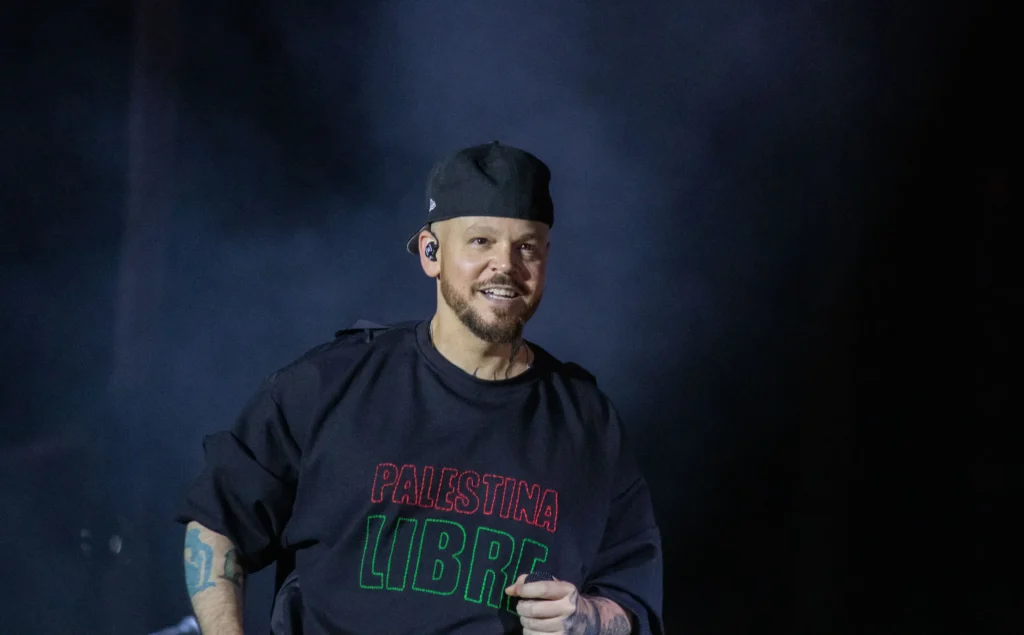
We weren’t prepared for the emotional roller coaster that René Pérez, also known as Residente, would unleash Saturday afternoon at the Zócalo. From euphoria to outrage, from romantic lyrics to calls to action, as soon as the Puerto Rican artist took the stage wearing a sweatshirt with the slogan “Free Palestine,” we knew he wasn’t going to hold anything back.
To kick off the concert and excite the audience who came from all over the metropolitan area (and beyond), Mexican female rappers took to the stage, making it clear that “it’s women’s time.”
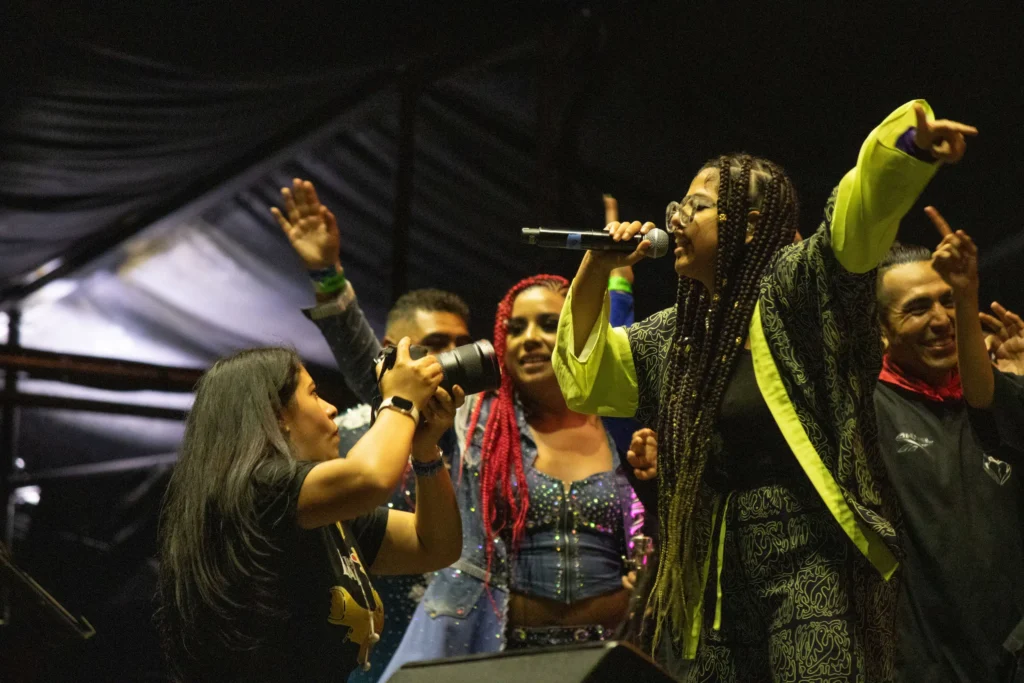
Calls for sisterhood, protests against violence and a general call for women to break the glass ceiling and dare to do what they love shook the city center.

Niña Dioz, Ximbomb, Prania Esponda, Azuky and Mena blasted the speakers to demonstrate, as they do every day when sharing their art, that women have no limits when it comes to disrupting spaces from which they were once excluded.
As night fell, La Torre Latinoamericana witnessed from a distance how Mexico welcomed René with open arms, who immediately ignited spirits as soon as he stepped onto the stage. Not only did Mexico City welcome this artist, but he also welcomed unexpected guests with chants of “Free Palestine” and “You are not alone” to a displaced family from Gaza, whom the Puerto Rican invited onto the stage while denouncing the atrocities committed against the Palestinian people.

Anyone familiar with Residente’s lyrics will know that activism is intimately linked to his work, from the dignification of the working class to denunciations of dictatorships.
René also cried out against ICE raids in the United States, reminding them with the song “This Is Not America” that: “We’re here, we’re always here. We didn’t leave, we’re not leaving.”
Without a doubt, the most emotional moment of the night was when the artist briefly opened up to the Mexican people, sharing that he had attempted suicide and that if it hadn’t been for a call to his mother, he might have been successful. At that moment, he issued a plea to seek help, to not suffer in silence. The audience erupted in a wave of support for the Puerto Rican as he stood on the verge of tears.
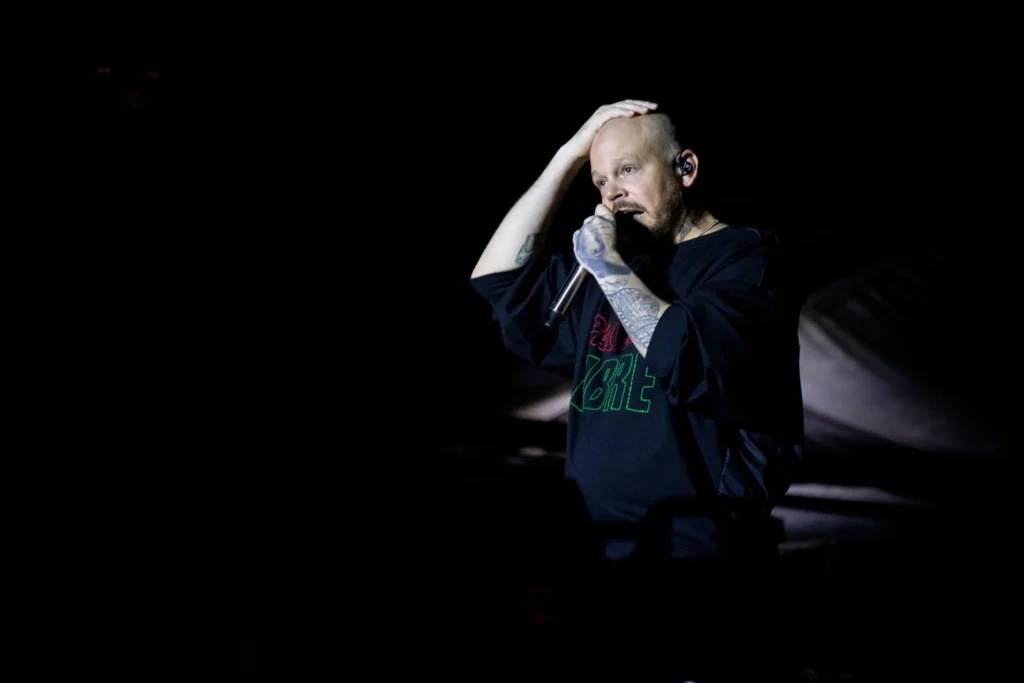
The evening was intense, the emotions brought tears to more than one person in the crowd, and like someone exhausted after a full meal, all of us in the audience returned tired from jumping and crying, but with our souls full and excited by an unforgettable concert.
This concert is part of Clara Brugada’s cultural policy and was made possible thanks to the Mexico City Government.
Related: Asália and Norma, the California Voices That Earned Their Spot in the México Canta Final
More from Culture
All stories →
Mexican-American Scholar Angela Valenzuela Receives Educational Justice Award in the U.S.
Researcher Angela Valenzuela has received the 2026 Social Justice in Education Award from the American Educational Research Association (AERA), a recognition of more than three decades of work for the educational rights and opportunities of Mexican-American students and other communities of color.
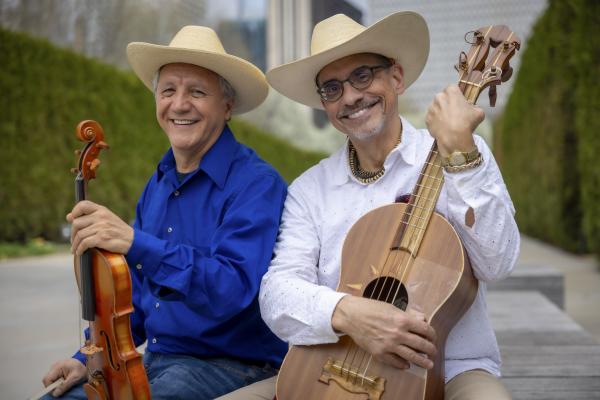
Mexican musician Victor Pichardo receives the highest honor in traditional music in the US
Mexican musician Victor Pichardo receives the highest honor in traditional music in the US. The Mexico City-born musician Victor Pichardo, together with Juan Díes, received the 2026 National Heritage Fellowship from the National Endowment for the Arts.

Tanya Meléndez-Escalante, a Mexican curator, takes over as general manager of the Museum at FIT in New York
The Mexican curator Tanya Meléndez-Escalante has been named general manager of the Museum at the Fashion Institute of Technology (FIT) in New York, where she will oversee areas including operations, fundraising, strategic planning and administration.