Beyond Sustenance: Record Remittances Fuel a New Wave of Rural Startups in Mexico
Mexico’s remittance inflows reached a record US$41.8 billion by October 2026, according to Banco de México figures. Yet the destination of these cross-border funds is shifting fundamentally: rather than merely subsidizing food and household essentials, money sent by the Mexican diaspora in the United States is increasingly serving as primary seed capital for rural micro-enterprises.
Facing persistent shortages of commercial bank credit in rural regions, migrant dollars now function as informal venture capital. Empirical research from Christopher Woodruff and René Zenteno (El COLEF / World Bank) reveals that between 20% and 27% of initial capital for micro-enterprises in high-emigration Mexican municipalities comes directly from remittance transfers.
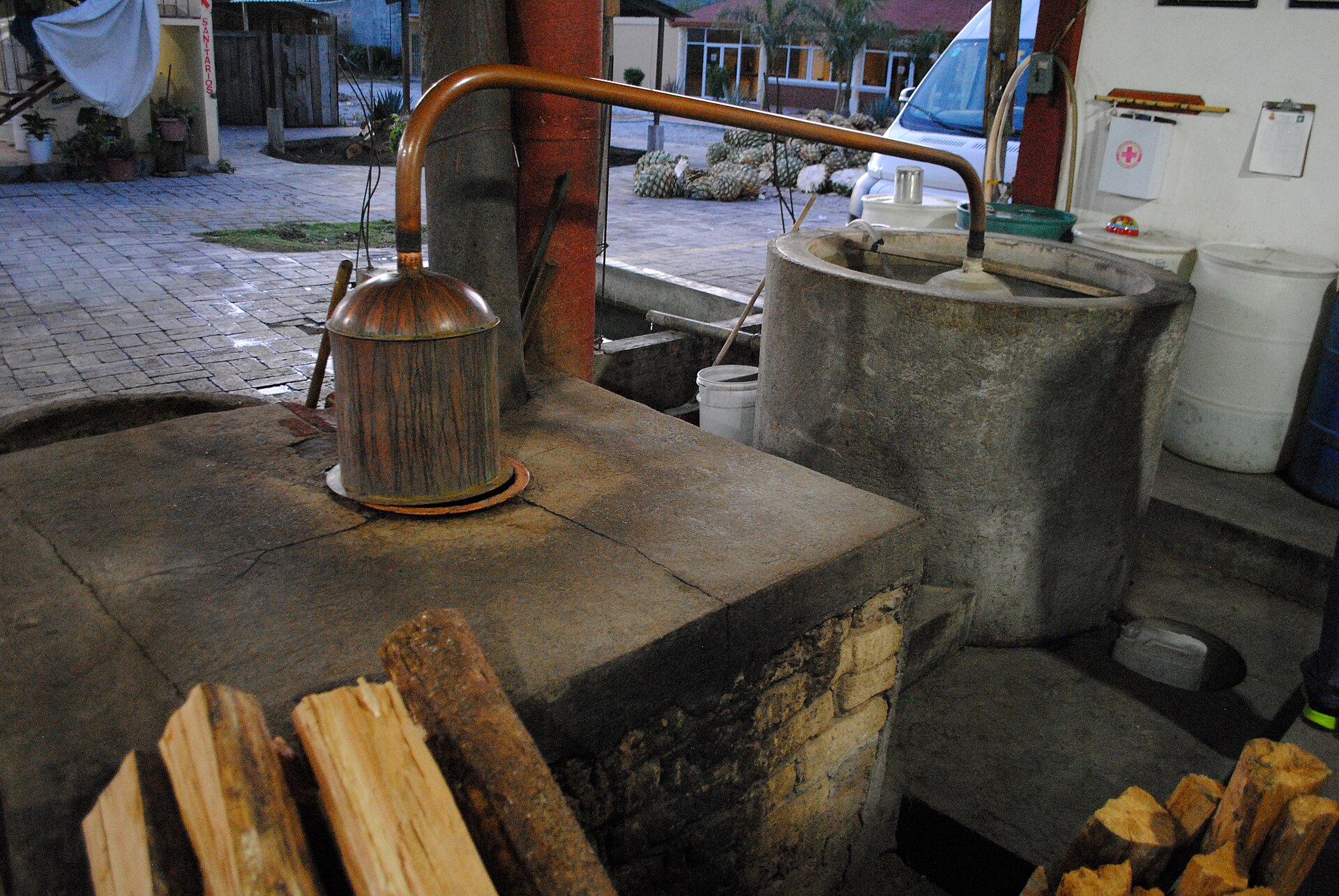
This shift is visible on the ground. Between 2023 and 2025, mezcal producers in Oaxaca’s Sierra Sur pooled monthly family remittances to purchase industrial copper stills and build certified fermentation sheds, securing official certification by early 2026. Moving away from low-margin bulk sales, their relatives in California and Chicago now manage boutique distribution networks in major U.S. cities.
Similar projects multiplied between 2022 and 2026 across Zacatecas, where younger residents used $3,000 to $6,000 in remittance pools to establish local wireless internet providers (WISPs). In Michoacán, agricultural workers with seasonal H-2A visas invested their earnings into protective macro-tunnels to grow export-grade berries.
Beyond basic survival, this capital is achieving tangible regional gains: generating local employment, curbing the forced migration of younger generations, and expanding the binational economic footprint of Mexican-American households.
More from Economy
All stories →
Forward Look 2030: The Targets Mexico Will Use to Measure Its Progress
The fifth chapter of the report charts the route to 2030. Shared Prosperity, the guiding axis of the 2025-2030 National Development Plan, rests on four principles: substantive equality, economic inclusion, productive sustainability and institutional cohesion.

Mexico's Four National Plans: Infrastructure, Energy, Security and Water
The fourth chapter groups public investment into four national plans, each with measurable targets, accountable owners and a budget. In infrastructure, the plan invests more than 960 billion pesos in 2026, roughly 52 billion dollars, in transport links, ports, airports, trains, energy, hospitals and schools.

Social development: pensions, hospitals, scholarships and housing as rights
The third chapter of the report argues that social policy has stopped being a complement and become the structural axis of growth. By the end of 2026, the Wellbeing Programs will reach 42,860,296 people, with an investment of close to one trillion pesos, about 54 billion dollars, delivered directly through the Wellbeing Card.