Cablebús against "time poverty"
Three new lines for the outskirts of Mexico City
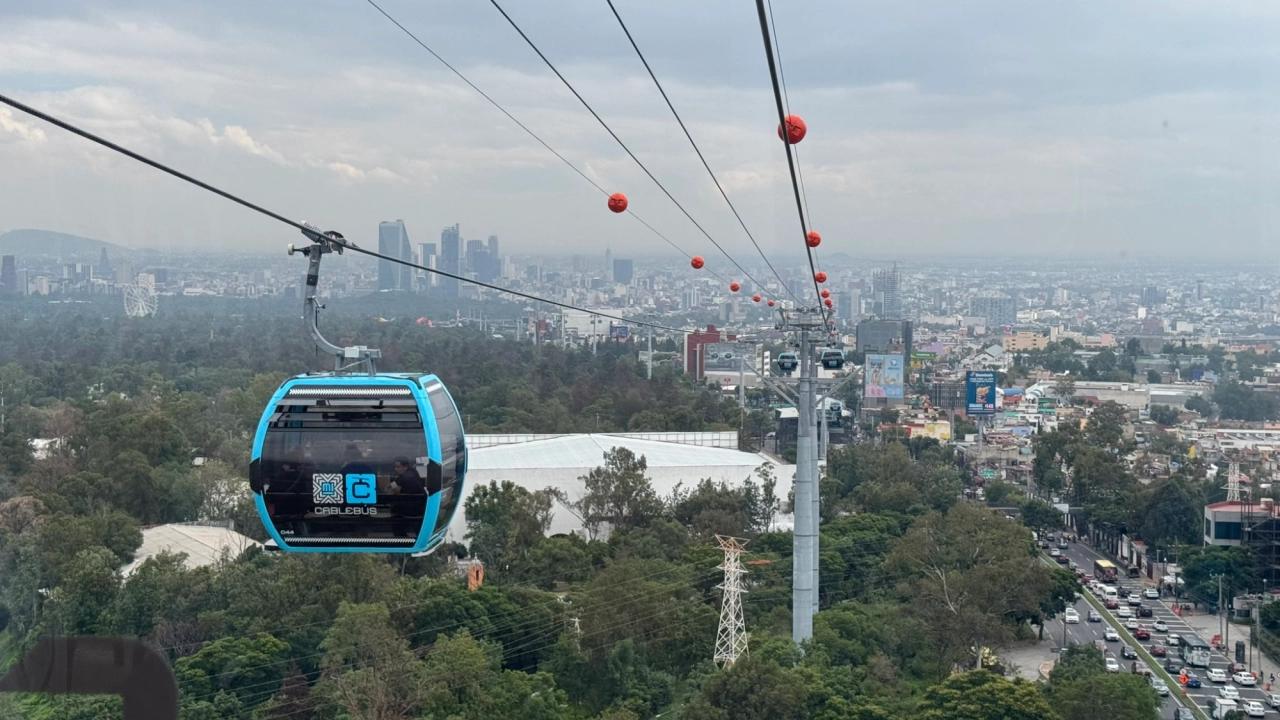
Every person who commutes in Mexico City loses 211 hours a year to road congestion, according to the IMCO's Costo del Tráfico 2026 study, published this month. Those who use public transport lose 140 hours, and the cost to the metropolitan area amounts to 81.7 billion pesos a year. Against that "time poverty", as the head of government, Clara Brugada, calls it, the capital is building three new Cablebús lines.
Line 4 will connect Pedregal de San Nicolás, in Tlalpan, with Metro Universidad; Line 5 will link Álvaro Obregón and Magdalena Contreras with Mixcoac, and Line 6 will extend the system from Tláhuac to Milpa Alta.
The change will be measured in minutes recovered. According to the capital's government, the Line 4 journey, which today takes about 70 minutes, will be made in 35; in the west, trips of up to two hours will drop to 45 minutes with Line 5. Between them they will move some 160 thousand passengers a day, and the three lines will benefit more than 200 thousand people daily, most of them residents of hillside neighborhoods with little access to mass transit.
According to the latest official update, the works are around 20% complete. Line 4 will be ready at the end of 2027 and Line 5, in mid-2028.
More from Environment
All stories →
Mexico Bans Imports of Vehicles That Don’t Meet Environmental Standards
The Ministry of Environment and Natural Resources (Semarnat) and the Ministry of Economy announced an agreement prohibiting imports of vehicles that fail to comply with Mexico’s environmental regulations.

EU and Mexico strengthen cooperation in clean energy and circular economy
This Tuesday, the European Commissioner for International Partnerships Jozef Síkela will visit Mexico to strengthen cooperation in clean energy, sustainable transportation, circular economy and green finance.

Mexico Advances Sustainable Solutions to Confront the Water Crisis in the Sierra de Guadalupe
Amid the growing water crisis that threatens millions of people across the country, the Sierra de Guadalupe, located north of the Valley of Mexico, stands out as an example of how collaboration between the private sector and civil society can provide concrete responses.