From Corn to the Hearth: 16 Years of Mexican Cuisine as Intangible Cultural Heritage of Humanity
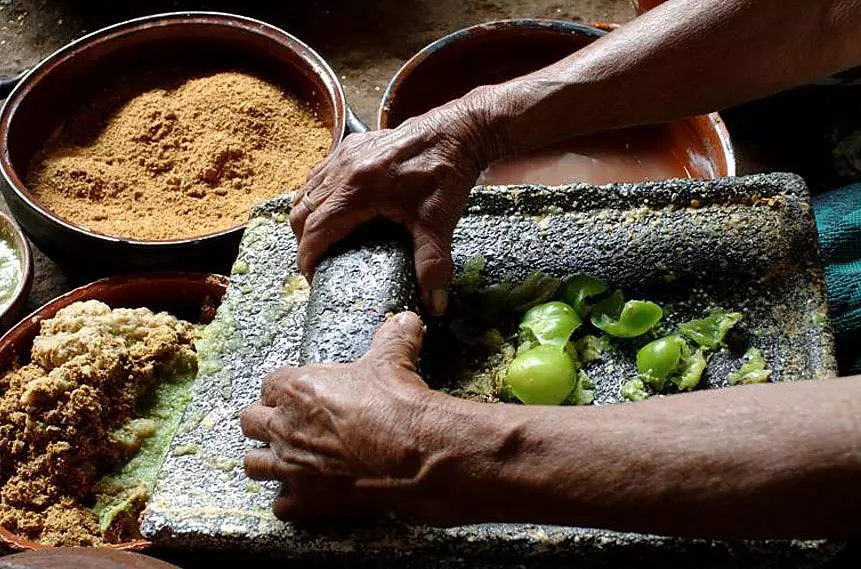
On November 16, 2010, UNESCO inscribed traditional Mexican cuisine on its Representative List of the Intangible Cultural Heritage of Humanity. The distinction recognized a living culture that begins in the land and continues in the markets, kitchens and at the table, passed down from generation to generation.
The inscription took place during a meeting of the Intergovernmental Committee for the Safeguarding of the Intangible Cultural Heritage, held in Nairobi, Kenya. The Mexican proposal highlighted the antiquity and continuity of its traditions, as well as the originality of its products, techniques and procedures.
The recognition is not limited to recipes or dishes, since UNESCO described Mexican cuisine as a cultural model that includes agricultural practices, ancient knowledge, rituals, culinary techniques and community customs, with the participation of many people throughout the entire food chain: from planting and harvesting to preparation and consumption.
In that history, corn, beans and chile occupy a central place, since the milpa combines crops. Nixtamalization, which consists of treating corn with water and lime, makes it possible to prepare the dough and increases its nutritional value, while the metate and molcajete, made of stone, are also part of a body of knowledge that remains present in many kitchens.
The diversity of ingredients adds layers of flavor and memory: tomatoes of different varieties, squashes, avocados, cacao and vanilla, among other native products. Over the centuries, ingredients and customs from other regions of the world were incorporated into that base, in a cuisine that preserves its roots and continues to transform itself.
Tortillas and tamales can be part of everyday meals and also of the offerings for Día de Muertos. Moles, pozoles, atoles and regional stews tell different stories, but they share the work of those who plant, select ingredients, prepare the dough and know the timing of each cooking process.
Corn alone is present in more than 600 documented dishes in Mexico, according to the National Commission for the Knowledge and Use of Biodiversity (CONABIO). Behind that variety are the country's agricultural landscapes and biodiversity, as well as the knowledge that communities have cared for and adapted over time.
The proposal presented to UNESCO had the direct participation of traditional cooks and the collaboration of Mexican cultural institutions.
The recognition also highlighted the role of communities and of associations of cooks and other practitioners who work to preserve crops and culinary traditions.
The distinction is known as the Michoacán paradigm, because the practices of that state served as the model for the nomination. The recognized tradition, however, is practiced throughout Mexico and brings together different expressions according to each region, its products and its ways of coming together around food.
Sixteen years after that inscription, the heritage remains alive in a tortilla fresh off the comal, in the sound of the metate, in a recipe that a grandmother teaches her granddaughter and in the daily work of the people who grow and cook.
UNESCO recognized that collective inheritance; keeping it alive depends on those who practice it, pass it on and find in it a way to name and share their identity.
More from Culture
All stories →
Mexico Joins the Global Video Game Race with Game Conference MX
Mexico will host more than 150 video game development studios from around the world at the Games Conference (GCMX) 2026 on November 13 and 14 in Guadalajara, Jalisco. Abner Sable, its founder, stresses that while…

Rock Bridges Generations at Núcleo 1 Festival in Mexico City
The Monumento a la Revolución in Mexico City shook with rock from different generations this November 6 with a historic lineup headlined by Haragán y Cía, one of the leading representatives of the national rock movement.

Mexican Lucio Usobiaga Wins Global Prize for Preserving Ancestral Agriculture
Mexican Lucio Usobiaga won the Basque Culinary World Prize 2026