Mexican Banking System Is Solid and Operating Normally: Finance Ministry
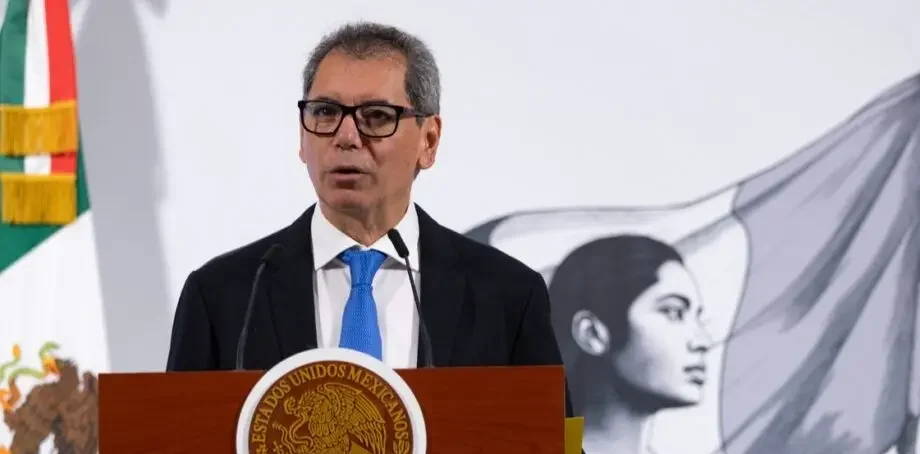
Mexican banking system is operating normally and remains one of the most solid internationally, said Minister of Finance and Public Credit (SHCP), Edgar Amador Zamora.
By Canal Once. Mexican Press Agency.
Mexico’s banking system is operating normally and remains one of the most solid internationally, said Minister of Finance and Public Credit (SHCP), Edgar Amador Zamora, following a U.S. Department of the Treasury statement that named three financial institutions in Mexico as allegedly engaged in money laundering.
“It has not experienced any disruptions and continues to be one of the strongest systems internationally, with capitalization and liquidity ratios above international standards, which ensures the proper functioning of our financial markets,” he said during President Claudia Sheinbaum’s morning press conference.
Amador emphasized that, as proof, the exchange rate has remained stable, fluctuating between 18.85 and 18.95 pesos per U.S. dollar, while local market interest rates dropped broadly by between 0.1% and 0.3%.
Ongoing Market Monitoring
The SHCP reported that it has remained in constant coordination with the Banco de México (Banxico), the National Banking and Securities Commission —CNBV— and the Mexican Banking Association (ABM) to assess market conditions.
The Ministry stated that after the close of Wednesday’s financial session, it was confirmed that the credit lines of the three institutions in question were experiencing problems.
“As a preventive measure, a temporary administrative intervention was carried out in these institutions to ensure there would be no interruptions in the banking system and, at the same time, to safeguard clients’ savings,” Amador explained.
The Minister of Finance said this decision provides certainty to savers and investors in CIBanco, Intercam, and Vector Casa de Bolsa, reaffirming the reliability of the country’s financial and banking system.
More from Economy
All stories →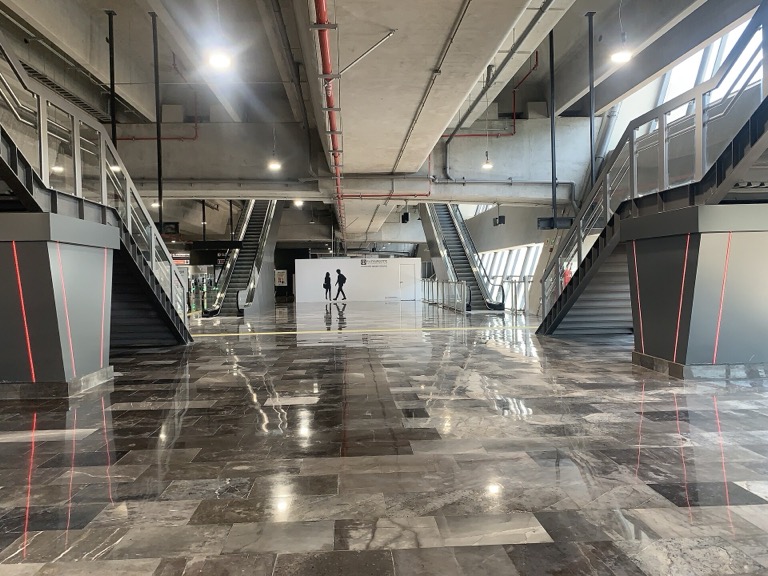
Mexico's Four National Plans: Infrastructure, Energy, Security and Water
The fourth chapter groups public investment into four national plans, each with measurable targets, accountable owners and a budget. In infrastructure, the plan invests more than 960 billion pesos in 2026, roughly 52 billion dollars, in transport links, ports, airports, trains, energy, hospitals and schools.
Social development: pensions, hospitals, scholarships and housing as rights
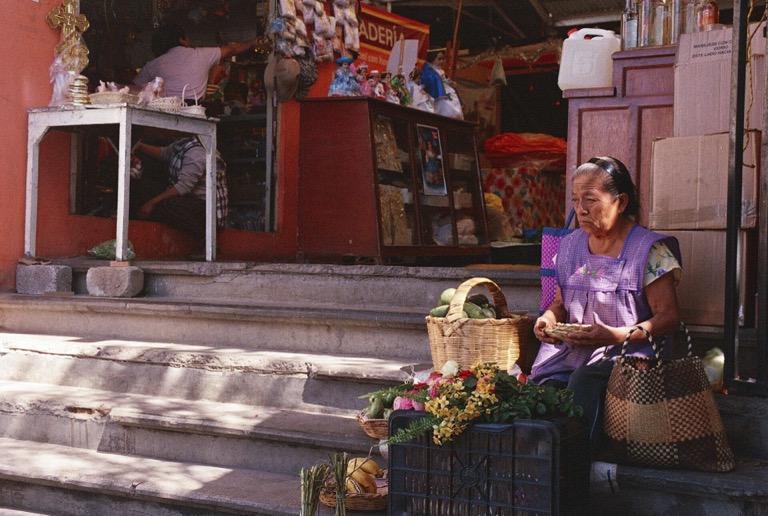
The third chapter of the report argues that social policy has stopped being a complement and become the structural axis of growth. By the end of 2026, the Wellbeing Programs will reach 42,860,296 people, with an investment of close to one trillion pesos, about 54 billion dollars, delivered directly through the Wellbeing Card.
Economy and Investment: Stable Prices, Formal Employment and Industrial Hubs Looking Toward North America
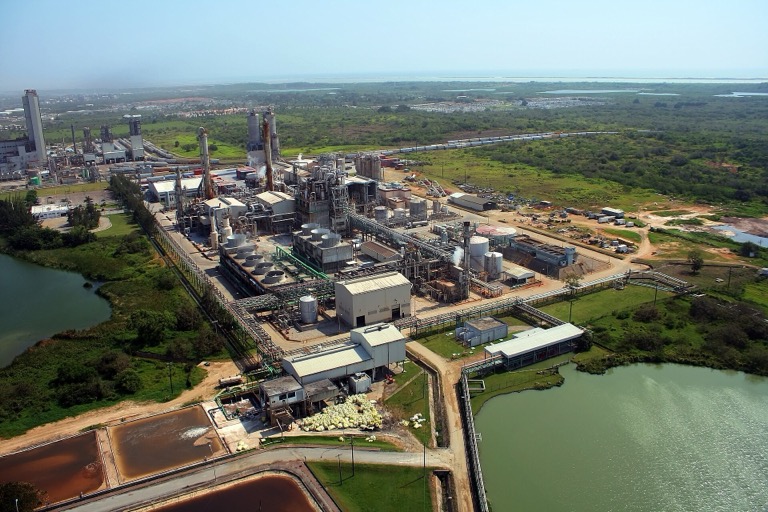
The economic chapter of the Second Report brings together price stability, formal employment, investment and regional development. Gross domestic product grew 1.4% in the second quarter of 2026 compared with the previous quarter…