Mexico Senate raises 2027 tourist entry fee to 1,158 pesos
Mexico's Senate approved a 17.8% rise in the foreign tourist fee to 1,158 pesos for 2027, part of a budget package allowing 1.7 trillion pesos in borrowing.
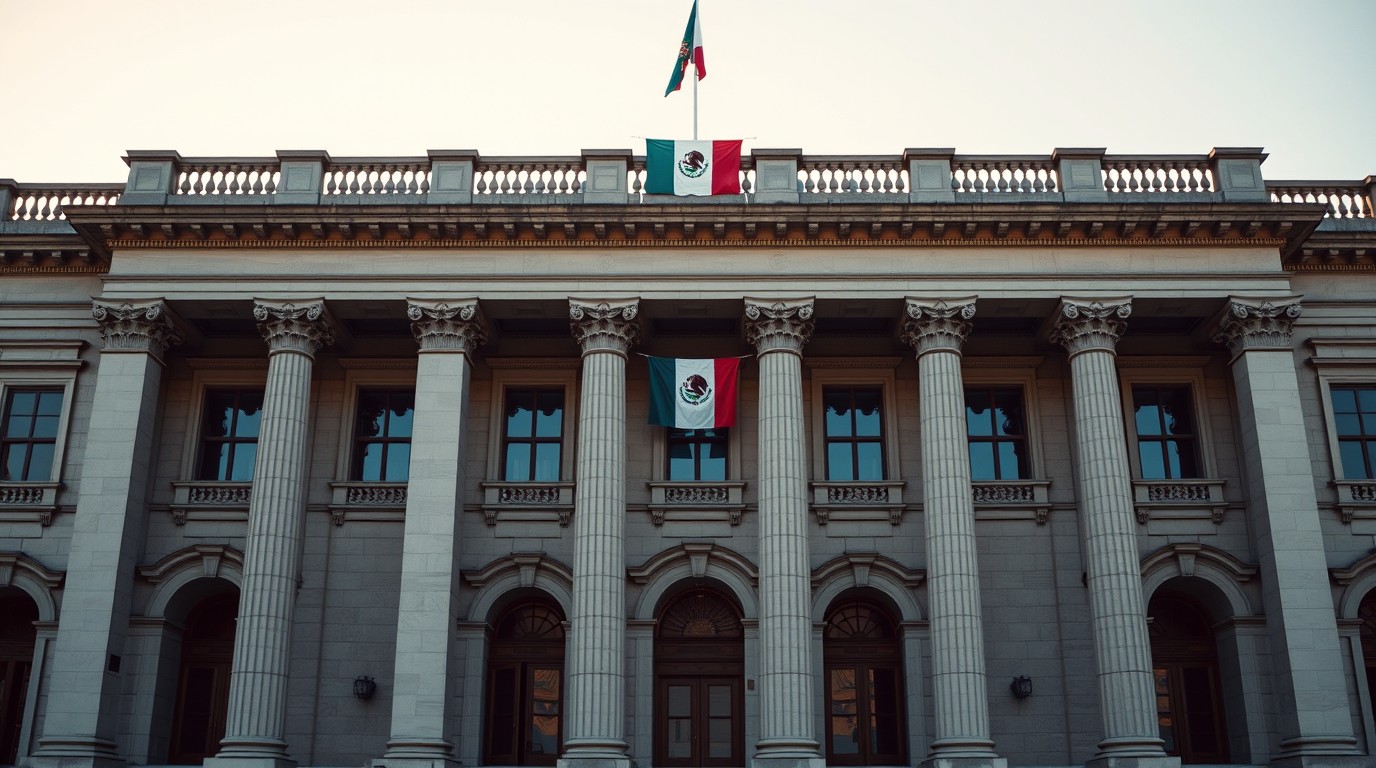
Mexico's Senate approved on Oct. 27, 2026 a 2027 budget package that raises the entry fee for foreign short-stay visitors by 17.8%, to 1,158 pesos from 983 pesos, and authorizes up to 1.7 trillion pesos in net domestic borrowing.
The Ley Federal de Derechos, the federal fees law, passed with 78 votes in favor and 34 against and went to the executive branch for publication in the Diario Oficial de la Federación, Mexico's official gazette. It marks the second consecutive annual increase in the Derecho de No Residente, the nonresident fee charged to foreign tourists and short-stay visitors, which rose to 983 pesos in 2026 from 860.56 pesos. U.S. residents are Mexico's largest source of foreign visitors: INEGI counted 1.16 million U.S. entries in August, 67.1% of non-border tourists. Mexico's budget package assumes an exchange rate of 18 pesos per dollar, Bloomberg Línea reported, which puts the new fee at about $64, up from roughly $55.
Senators also approved a 10% increase in fees for use of Mexican airspace, and raised the railway right-of-way charge to 3.0% of gross revenue from the 16th year of a concession, from 1.25%, keeping 0.5% for new projects, Expansión reported. Fees for animal and plant health certification and aquaculture sanitation were updated, and the 600 and 700 MHz telecom bands keep special treatment in 2027. Fees tied to water, environmental protection and financial supervision were also adjusted. The fees law is projected to raise 177,185.9 million pesos. The wider package authorizes the 1.7 trillion pesos in borrowing and sets a deficit of 3.9% of gross domestic product for 2027, above the 3.5% the Finance Ministry initially estimated. "The principle behind these changes is that fees for services should bear a reasonable relation to the cost of providing them," said Sen. Yunes Márquez, who chairs the Senate Finance Committee.
Under the approved text, 57% of nonresident fee revenue goes to the Defense Ministry, 15% to the National Immigration Institute and 28% to the federal treasury. The fee takes effect Jan. 1, 2027, once the law is published in the official gazette. An income tax overhaul in the same package returned to the Chamber of Deputies to process an automotive amendment, Bloomberg Línea reported.
Sources: Las condonaciones de multas a grandes empresas y cuotas mayores a turistas son aprobadas en el Senado · Senado aprueba Ley de Ingresos 2027 con deuda pública y endurecimiento de deducciones · Turismo internacional en México crece 1.3% en agosto de 2026 (datos de INEGI)
This story was written with the help of artificial intelligence from verified sources and reviewed by a human editor before publication.
More from Economy
All stories →
Social development: pensions, hospitals, scholarships and housing as rights
The third chapter of the report argues that social policy has stopped being a complement and become the structural axis of growth. By the end of 2026, the Wellbeing Programs will reach 42,860,296 people, with an investment of close to one trillion pesos, about 54 billion dollars, delivered directly through the Wellbeing Card.
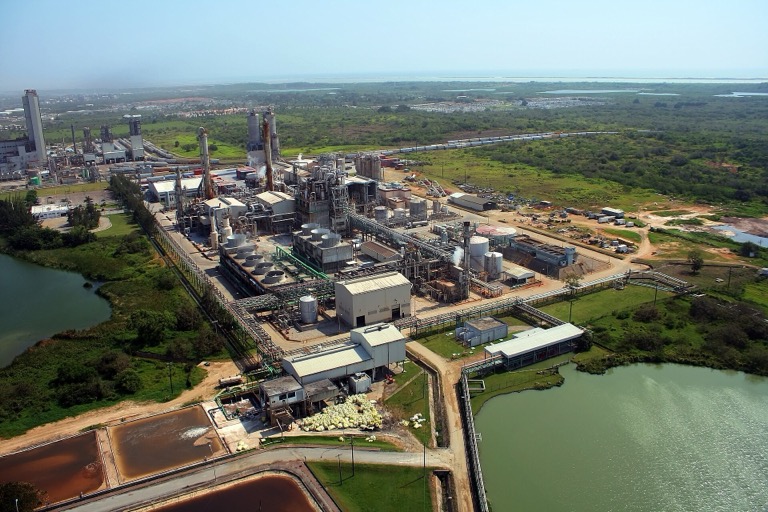
Economy and Investment: Stable Prices, Formal Employment and Industrial Hubs Looking Toward North America
The economic chapter of the Second Report brings together price stability, formal employment, investment and regional development. Gross domestic product grew 1.4% in the second quarter of 2026 compared with the previous quarter…
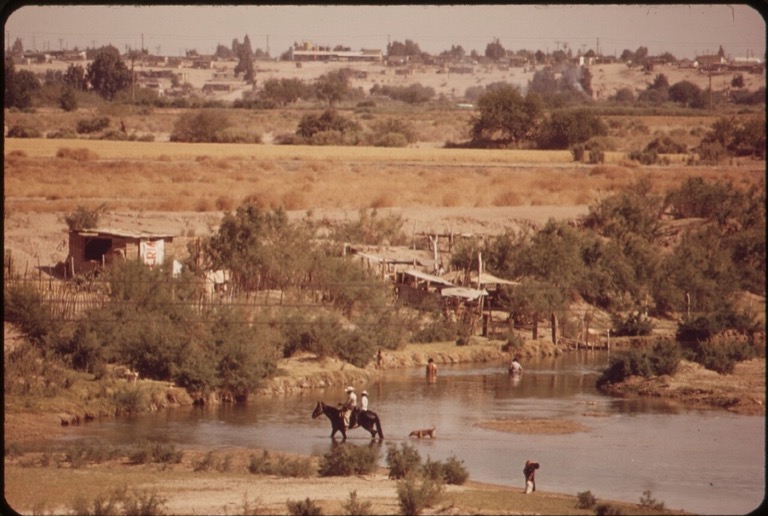
The River Two Economies Share
The dispute over Colorado River water is not just a legal fight between states: it is a matter of binational competitiveness.