IMF projects Mexico's economy will grow 1.4% in 2026 despite tariffs

Based on the World Economic Outlook update, the International Monetary Fund (IMF) forecasts that Mexico will post economic growth of 1.4 percent for 2026, despite the tariffs imposed by the United States.
The international financial organization also indicated that this positive outlook for the Mexican economy is due to the preferential conditions obtained during the negotiations between the governments of Mexico and the United States.
This, the IMF clarified, has placed Mexico in an advantageous position compared to other countries.
The IMF recognized the Mexican government’s work in maintaining the fundamentals of a stable economy, namely low and controlled inflation, a low unemployment rate, and annual growth in real wages.
At the same time, the IMF noted the positive impact of social programs in stimulating consumption among their more than 30 million beneficiaries.
In the report, the IMF also highlighted the actions taken this year by the government led by President Claudia Sheinbaum to stimulate the Mexican economy, such as the stabilization of gasoline prices, the National Housing Program, and the launching of public work projects, especially in transportation.
The report also discussed Mexico’s medium-term plan to strengthen the domestic market and production to reduce its dependence on the USMCA trade agreement between Mexico, the United States, and Canada.
Related: Volvo commits to increasing its investment in Mexico despite Trump’s vehicle tariffs
More from Economy
All stories →
Mexico's Four National Plans: Infrastructure, Energy, Security and Water
The fourth chapter groups public investment into four national plans, each with measurable targets, accountable owners and a budget. In infrastructure, the plan invests more than 960 billion pesos in 2026, roughly 52 billion dollars, in transport links, ports, airports, trains, energy, hospitals and schools.
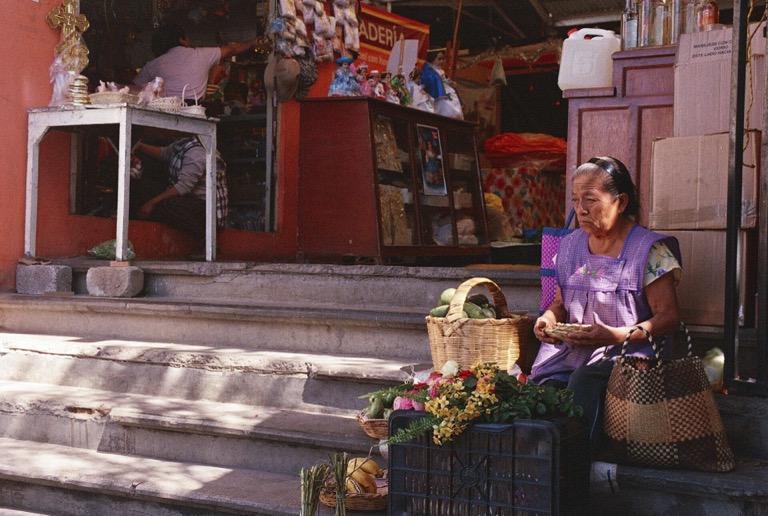
Social development: pensions, hospitals, scholarships and housing as rights
The third chapter of the report argues that social policy has stopped being a complement and become the structural axis of growth. By the end of 2026, the Wellbeing Programs will reach 42,860,296 people, with an investment of close to one trillion pesos, about 54 billion dollars, delivered directly through the Wellbeing Card.
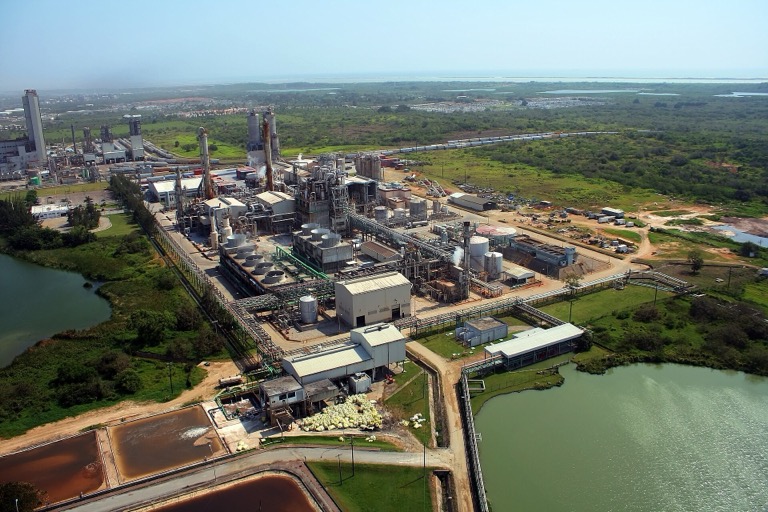
Economy and Investment: Stable Prices, Formal Employment and Industrial Hubs Looking Toward North America
The economic chapter of the Second Report brings together price stability, formal employment, investment and regional development. Gross domestic product grew 1.4% in the second quarter of 2026 compared with the previous quarter…