Mexico Opens Avocado Market in Brazil Following Bilateral Agreement

Mexico will begin exporting Hass avocados to Brazil after both countries signed an Operational Work Plan (PTO) outlining the phytosanitary rules for the trade, the Ministry of Agriculture and Rural Development announced.
“Good news! The Ministry of Agriculture of Brazil has informed me that the protocol allowing the importation of Mexican avocado —the best in the world— into that sister nation has been published, to the delight of its 200 million consumers,” wrote Minister Julio Berdegué Sacristán on his X account.
The agreement was made official on July 17, when Brazil’s Ministry of Agriculture and Livestock (MAPA) issued Ordinance SDA/MAPA No. 1336, detailing the phytosanitary requirements for fresh avocado shipments from Mexico. The regulation took effect upon publication.
The PTO, negotiated between Mexico’s National Service for Agri-Food Health, Safety and Quality (Senasica) and MAPA technical staff, sets out the procedures that Mexican producers must follow to ensure the fruit is free from quarantine pests of concern to Brazil, such as avocado seed borers.
Senasica will be responsible for authorizing Mexican orchards and packing facilities that comply with the protocol to be included in the export program to Brazil.
Mexico is currently the world’s leading avocado producer, with nearly three million tons harvested annually. About 46% of its output is exported to markets such as the United States, Canada, Japan, Spain, China, the United Arab Emirates — and now, Brazil.
More from Economy
All stories →
Mexico's Four National Plans: Infrastructure, Energy, Security and Water
The fourth chapter groups public investment into four national plans, each with measurable targets, accountable owners and a budget. In infrastructure, the plan invests more than 960 billion pesos in 2026, roughly 52 billion dollars, in transport links, ports, airports, trains, energy, hospitals and schools.
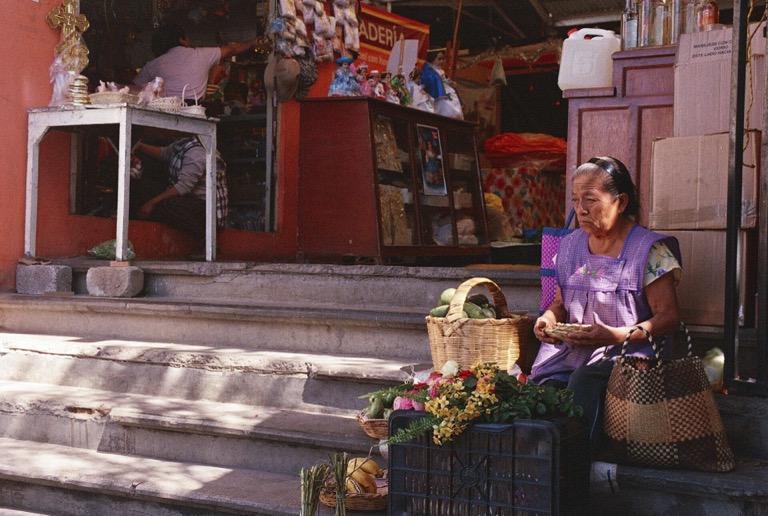
Social development: pensions, hospitals, scholarships and housing as rights
The third chapter of the report argues that social policy has stopped being a complement and become the structural axis of growth. By the end of 2026, the Wellbeing Programs will reach 42,860,296 people, with an investment of close to one trillion pesos, about 54 billion dollars, delivered directly through the Wellbeing Card.
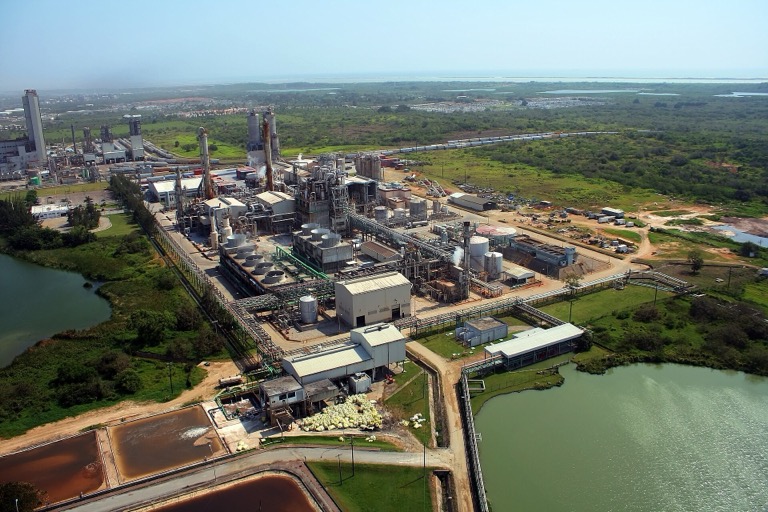
Economy and Investment: Stable Prices, Formal Employment and Industrial Hubs Looking Toward North America
The economic chapter of the Second Report brings together price stability, formal employment, investment and regional development. Gross domestic product grew 1.4% in the second quarter of 2026 compared with the previous quarter…