Nobel Laureate Joseph Stiglitz Backs Mexico’s Economic Strategy Under Sheinbaum’s Leadership

Renowned economist and Nobel Prize winner Joseph Stiglitz has voiced his support for the economic strategy of the Mexican government led by President Claudia Sheinbaum, praising her management of the current situation and underscoring the importance of economic diversification amid the country’s strong dependency on the United States.
In a recent interview, Stiglitz remarked that, in his view, President Sheinbaum “has handled things very well” on the economic front. He emphasized that while Mexico remains closely tied to the U.S. economy, the country must aim for greater diversification in the long term. He added that many, himself included, hold “a great deal of respect” for how the new administration is steering economic policy.
A key pillar of this strategy is Plan Mexico, a government initiative designed to build a robust economic model grounded in increased investment, job creation, technological innovation, and sustainability, all while upholding principles of social justice and well-being.
Among the main goals of Plan Mexico are increasing total investment to more than 25% of the Gross Domestic Product (GDP); creating 1.5 million new jobs during the current administration; raising national content by 15%; and ensuring that 50% of public procurement comes from Mexican suppliers.
The plan also aims to boost key sectors such as textiles, footwear, furniture, and pharmaceuticals, with an emphasis on the development of domestically produced vaccines; improve access to financing for 30% of small and medium-sized enterprises (SMEs); and position Mexico among the five most-visited tourist destinations worldwide—recognizing tourism as a strategic driver of economic growth.
Environmental sustainability and the integration of technological innovation into productive sectors are also central elements of the plan, which has begun to draw positive attention from academic and financial sectors alike.
The support of international figures such as Stiglitz contributes to the growing confidence that the new administration seeks to establish around its economic policy—one focused on inclusive growth, strengthening the domestic market, and enhancing strategic autonomy.
Related: Tequila, Mexico’s Pride, Celebrates Its Day with a Taste of History, Land, and Tradition
More from Economy
All stories →
Mexico's Four National Plans: Infrastructure, Energy, Security and Water
The fourth chapter groups public investment into four national plans, each with measurable targets, accountable owners and a budget. In infrastructure, the plan invests more than 960 billion pesos in 2026, roughly 52 billion dollars, in transport links, ports, airports, trains, energy, hospitals and schools.
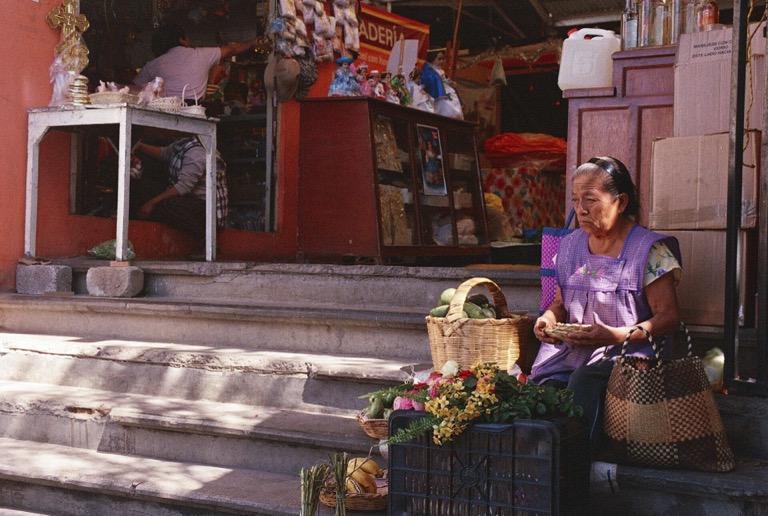
Social development: pensions, hospitals, scholarships and housing as rights
The third chapter of the report argues that social policy has stopped being a complement and become the structural axis of growth. By the end of 2026, the Wellbeing Programs will reach 42,860,296 people, with an investment of close to one trillion pesos, about 54 billion dollars, delivered directly through the Wellbeing Card.
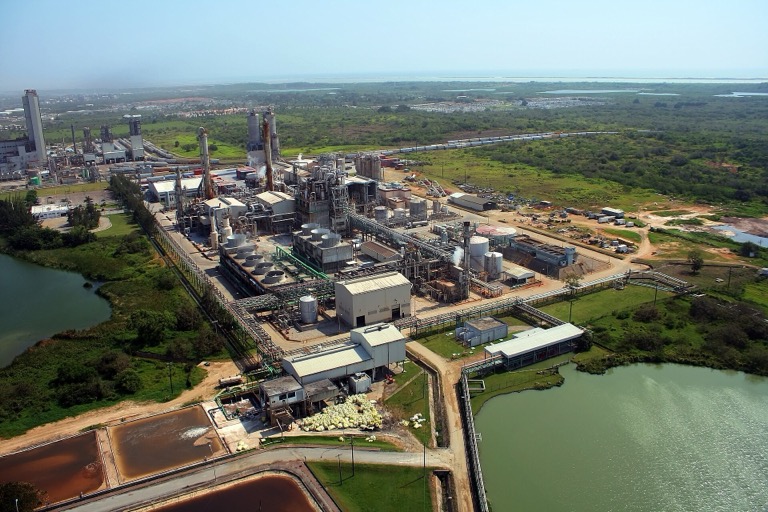
Economy and Investment: Stable Prices, Formal Employment and Industrial Hubs Looking Toward North America
The economic chapter of the Second Report brings together price stability, formal employment, investment and regional development. Gross domestic product grew 1.4% in the second quarter of 2026 compared with the previous quarter…