"The Decisive Voice": The Mexican American and Latino Vote in the 2026 Midterms
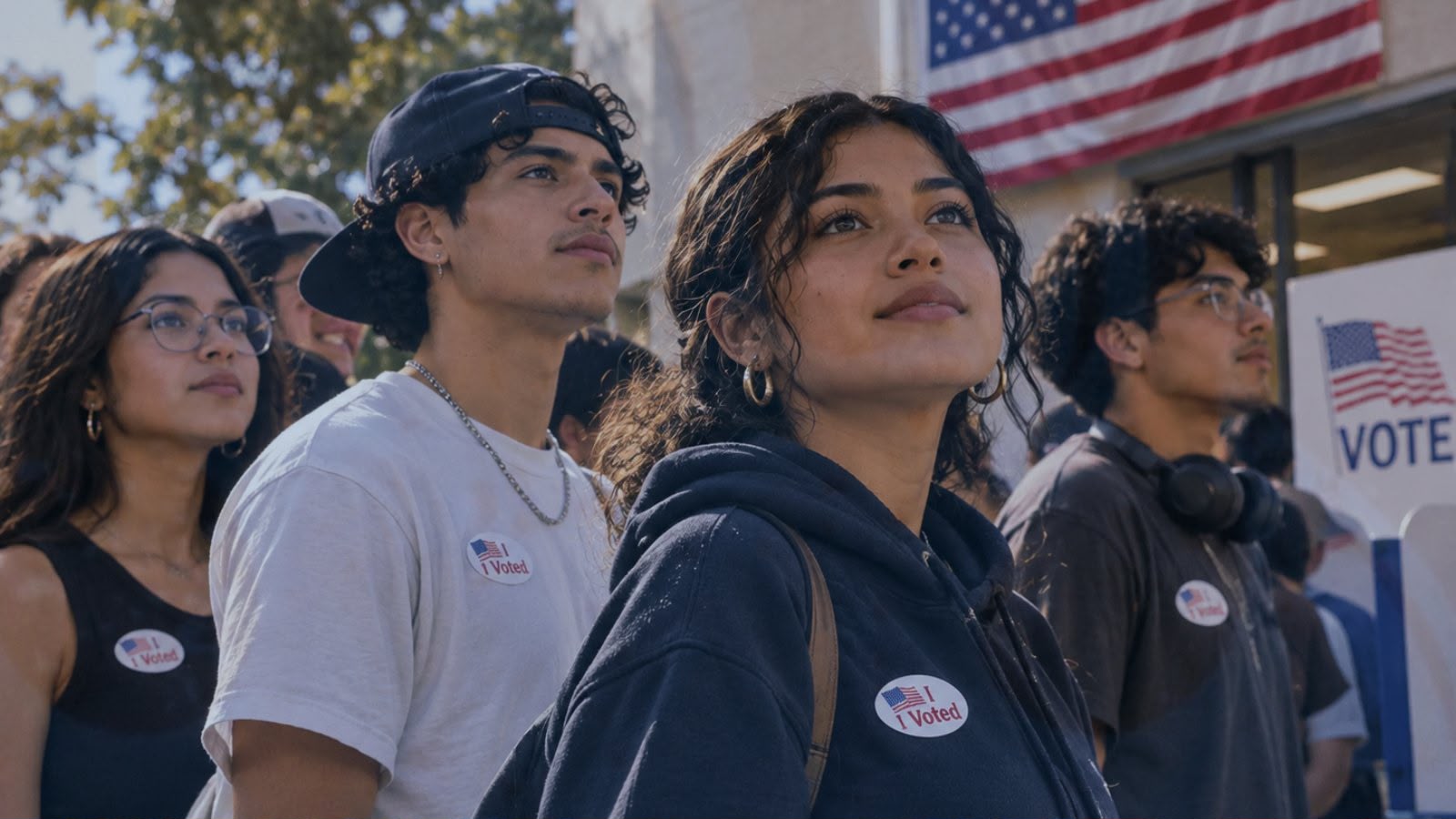
On the night of November 3, hours before the polls closed, I wrote that Latino voters would be the decisive voice in this election. The results point in that direction: according to AS/COA's analysis, the Mexican American and Latino vote shifted by double digits toward Democratic candidates compared with 2024 and contributed to the victories with which that party retook the House of Representatives and the Senate, in addition to the governorships of Texas, Georgia and Nevada.
What I said on Univision before the results
In an interview at the Univision studios in Los Angeles, before the results, during the "Destino 2026" coverage, I explained how I saw the Latino vote. I have been taking part in presidential elections since 2000, and in states like California the Mexican American and Latino vote has always been key. What I saw that night was an electorate that no longer fits the word "undecided."
Part of that electorate left with a certain weariness toward the Biden administration, the idea that the economy was going to improve, that there would be a secure border (let us remember that enormous caravans arrived in the final years of Biden in South Texas).
But in places like Texas, where I lived for 25 years, and especially in the RGV, the Rio Grande Valley in Texas, something was starting to move: there were those who voted believing that criminals would be deported, but saw that in reality the deportation fell to their own family, their coworkers or their neighbors. I said that this giant that had given Trump momentary support could turn things around, in border areas shifting from red to blue. The cost of living weighs heavily, of course. But how the community is treated also weighs, because in California and in Texas we are no longer the minority that people used to talk about. We are a majority that wants to be present, and the voter became a participant.
About Xavier Becerra, I said he would be a governor of Latino origin, something of historic weight for California. The important thing, I explained, is that he would be someone born to Mexican immigrants, who understands the Latino contribution in the state and who would lead the country's first economy. It is no longer just the moment to vote. The responsibility of governing comes next. In Los Angeles, by contrast, my forecast was guarded: the mayoralty was up in the air, how last year's fires were handled weighed heavily, and with so many mail-in ballots it could take days to know who won. And I set my sights on Nevada, Georgia and Texas, three states where the Mexican vote could change the result.
What the ballot box decided
Texas elected Gina Hinojosa as the first Latina governor in its history, defeating incumbent governor Greg Abbott. California elected Xavier Becerra as governor, who defeated Steve Hilton. In Los Angeles, Nithya Raman won the mayoralty against Karen Bass, who acknowledged the result on November 5. And at the federal level, the Democrats retook control of the House of Representatives and the Senate.
The reading came from weeks earlier.
It did not come as a surprise. On October 3, in an interview on El Financiero TV, I said that not only the polls but also history indicated that Trump would lose at least the lower chamber. It is very common for the party in power to lose seats in midterm elections, and if we add Trump's low approval, the poor economic performance, the deeply unpopular war in Iran and the frustration of our community, the result was to be expected.
Since September, The New York Times analysis "Hispanic Voters, Abandoning Trump, Are Transforming the Midterm Map" documented the Hispanic electorate's drift away from the president's party. Anyone who works on campaigns learns to read those signals.
What I read afterward on Telemundo
On "Decisión 2026," on Telemundo 52, I started with Texas because it seemed to me a mirror of what was happening across much of the country. I lived there for 25 years and we had not seen anything like it since Governor Ann Richards, last century. Latinos are the largest segment of the population in Texas, as in California. My reading was that the Mexican American vote was handing Trump the full bill.
About Los Angeles I said the election was a referendum on Karen Bass. When an incumbent arrives this close and votes are still being counted, the outlook is not good for her. How the fires were handled weighed heavily, leaving the city resentful, and the departure of fire chief Kristin Crowley also weighed: although Bass defended her and presented evidence, for me the very fact of doing so cost her the trust of part of the voters. I also saw, as happened last year in New York, a desire for generational change in several cities across the country. On air I summed it up by saying that the vote of Angelenos told Karen Bass "ya te Bass."
Redistricting was the other piece. My reading of the mid-cycle redistricting was that it changed the rules in the middle of the contest, and that it was not enough to contain the result.
And about California and Texas I said that a Latino era of great responsibility is beginning. For the first time the two most populous states in the country would have Latino governors with Mexican roots. One thing is to achieve it. Another is to respond, when we are half of the country's population growth. That was also my warning about Trump: he won trust by talking about the economy and then found families that do not forget the deportation of a relative. If the two states with the most electoral votes change the equation, 2028 looks very difficult for Republicans, whoever their candidate may be.
What comes next for the Mexican and Mexican American community
There are milestones that matter especially to our Mexican American community: the first Latina governor of Texas and a new governor in California, two states where our people have put down deep roots.
But be careful with the data. The available figures speak of the Latino vote as a whole; none of the sources reviewed breaks down the participation of the Mexican and Mexican American community. We still do not know how many paisanos went out to vote or how the youngest voted, including those who identify as No Sabo Kids, an identity of young Mexican Americans who grew up between two cultures. Documenting and making visible that specific part of the movement remains a pending task.
What is also open remains: the redistricting processes that will continue to be disputed, the immigration policy that motivated part of the protest vote and the question of whether this participation will hold up heading into 2028. The election showed the weight of the Mexican and Latino vote. The challenge now is to turn that weight into representation, agenda and policies that respond to our community.
More from Politics
All stories →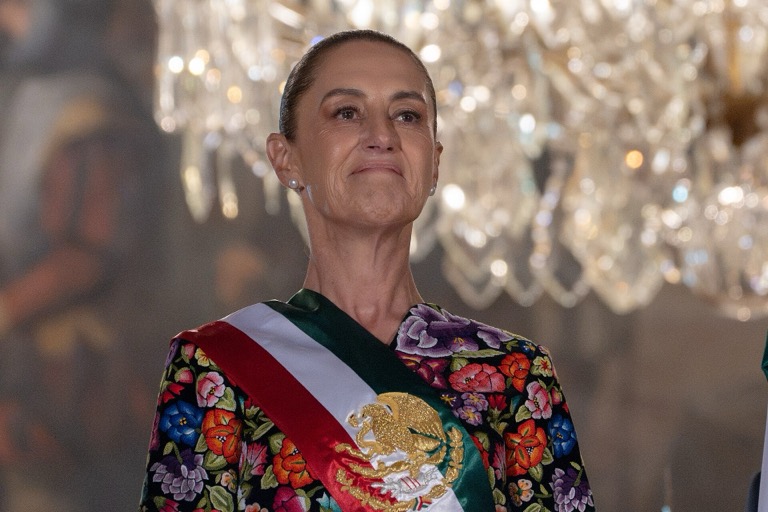
Mexico Marks Two Years of Government with Economic Stability and Broader Social Support
The president presented her government report highlighting major advances for the country
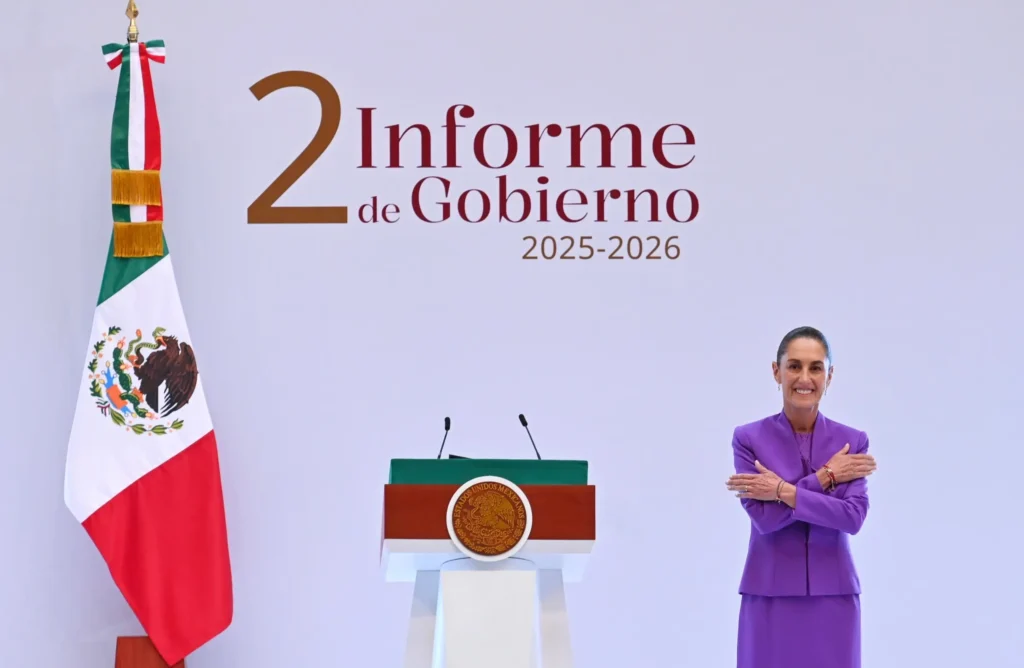
'Sovereignty Is Not Negotiable,' Sheinbaum Says as She Delivers Her Second Government Report
“Sovereignty is not negotiable, it is not surrendered and it is not shared,” President Claudia Sheinbaum said during her Second Government Report
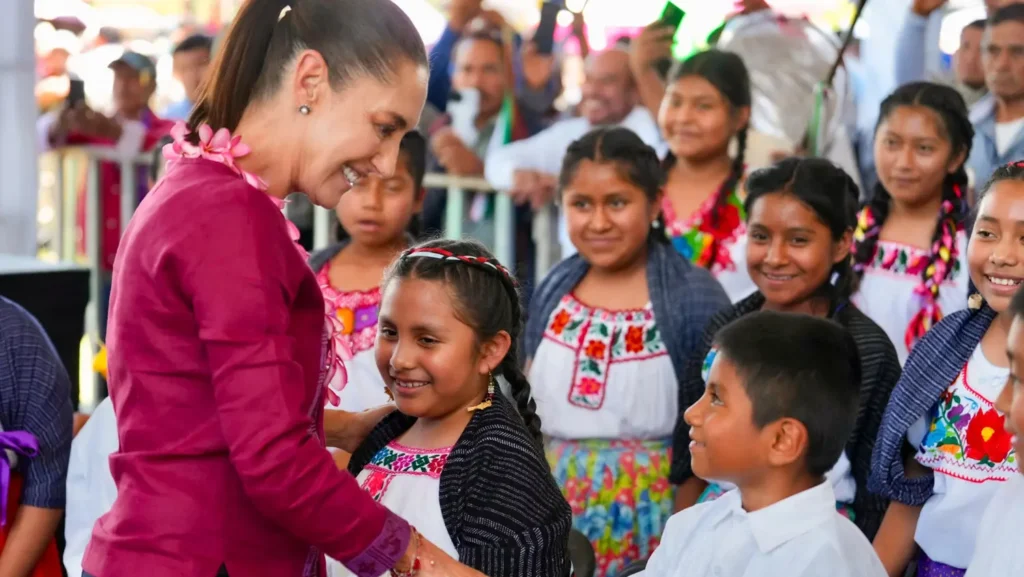
Sheinbaum Arrives at Her Second Government Report With the Support of Nearly 7 in 10 Mexicans
Claudia Sheinbaum arrives at her Second Government Report this Tuesday, September 1, with the support of nearly seven in 10 Mexicans.